 comparison
1-800-Got-Junk Alternative for Home Cleanouts
Table of Contents
- Full-Service Junk Removal vs. Dump Trailer Rental for Home Cleanouts
- Junk Removal vs. Dumpster Rental: Which Model Fits Your Cleanout?
- Why Dump Trailer Rental for Home Cleanouts Works at Your Own Pace
- Junk Removal Pricing Factors: What Drives the Final Bill
- Top Alternatives to Full-Service Junk Removal for Home Cleanouts
- Whole-Home Cleanouts: A Like-for-Like Comparison of Service Models
- Preparing for Your Home Cleanout: A Day-of-Service Checklist
- Conclusion: Choosing the Right Home Cleanout Option
- Frequently Asked Questions
Last Updated: October 7, 2026
Full-Service Junk Removal vs. Dump Trailer Rental for Home Cleanouts
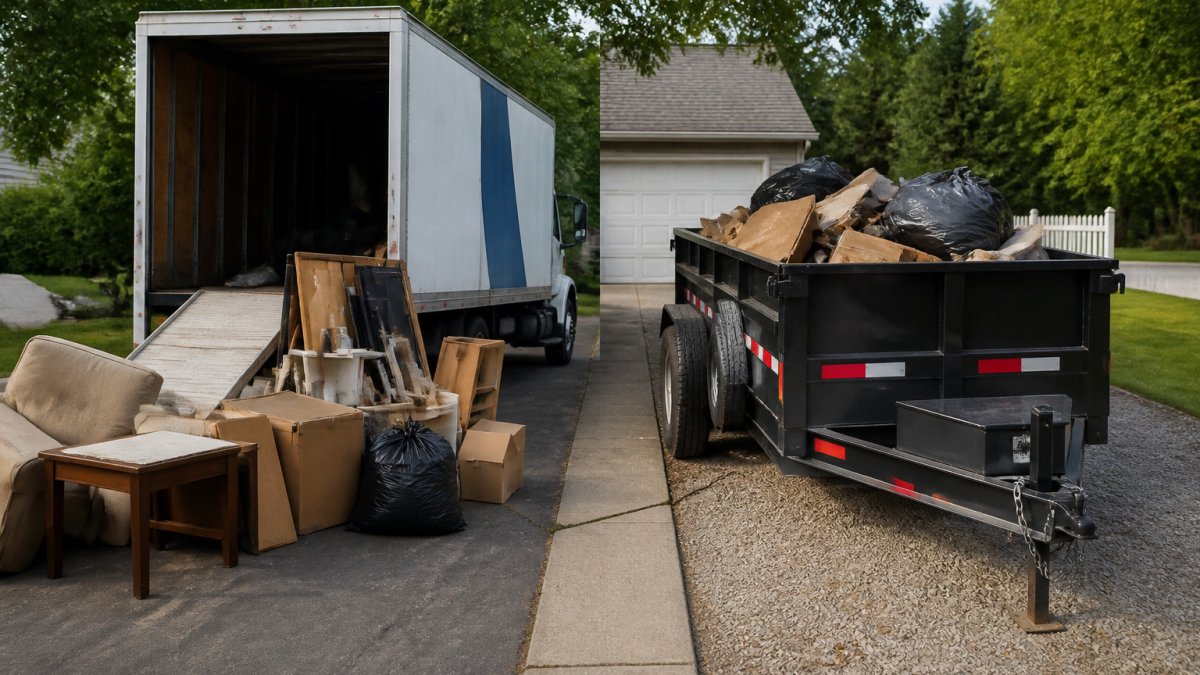
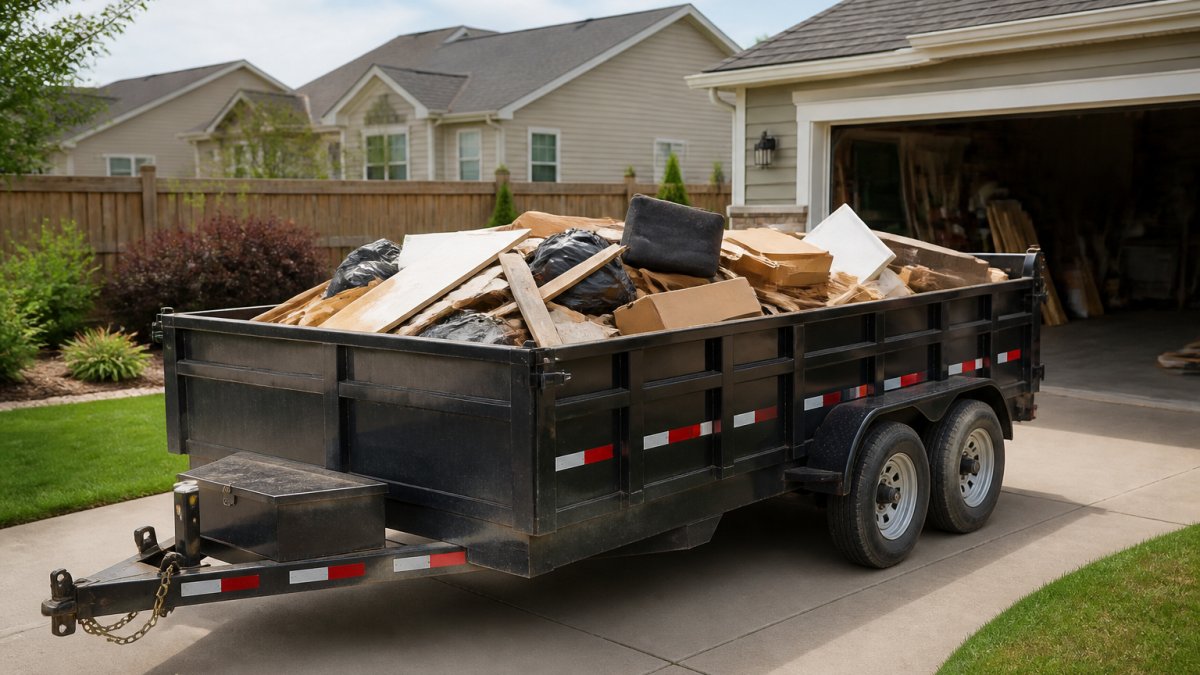
When you're planning home cleanouts, the decision usually comes down to two models: paying a full-service crew to haul everything away, or renting a dump trailer and loading it yourself. At Fill and Dump Trailers, we rent 12-yard dump trailers with a three-day loading window, which is the model most homeowners land on once they see the price gap.
That gap is real. Full-service junk removal pricing is built around volume, labor, and disposal fees, so the bill climbs fast on a whole-house job. A dump trailer rental for home cleanouts flips that: you pay for the container and the disposal weight, then keep the labor savings yourself.
Below, we'll show you exactly how each model works, what drives the final bill, and how to choose based on your cleanout size and timeline.
U.S. Environmental Protection Agency municipal solid waste data
Junk Removal vs. Dumpster Rental: Which Model Fits Your Cleanout?
The junk removal vs. dumpster rental choice comes down to who does the lifting. Full-service junk removal sends a crew that carries items out, loads the truck, and disposes of everything.
Here's how the two compare on the factors that actually matter:
| Factor | Full-Service Junk Removal | Dump Trailer Rental |
|---|---|---|
| Who loads | Crew | You |
| Pricing basis | Volume + labor + disposal | Rental period + disposal weight |
| Scheduling | Appointment window | Multi-day loading period |
| Best for | Heavy, awkward, or urgent loads | Large-volume, self-paced cleanouts |
| Sorting and donation | Limited | Full control before disposal |
| Typical minimum charge | Often a one-item or half-truck minimum | Usually a flat rental rate plus disposal |
| Access requirements | Crew needs a clear path to each item | Container needs a level, legal parking spot |
| Risk if you underestimate | Crew upsells on-site | You pay overage weight or per-day fees |
A common mistake is assuming full-service is always faster. It's faster on the day, yes. But if you need to sort, donate, or recycle items, a rental gives you days to do that instead of minutes.
How each model actually builds its price
Full-service quotes are usually tiered by how much of the truck your items fill, think a quarter, half, or full load, with labor and disposal baked into each tier.
Rental pricing works the opposite way. You pay a flat rate for the container and a set loading window, then pay separately for disposal weight above whatever allowance is included. Your labor is free because it's yours.
When each model wins
- Choose full-service when: items are on upper floors, in a crawlspace, or too heavy to move safely; the job must finish today; or you're physically unable to load.
- Choose a rental when: volume is high but items are manageable; you want to sort, sell, or donate before disposal; or the cleanout will stretch across several days.
- Choose neither when: the load is a single item, a curbside bulk pickup or a donation drop-off is usually cheaper than either option.
Why Dump Trailer Rental for Home Cleanouts Works at Your Own Pace
Dump trailer rental for home cleanouts works because it removes the clock. A full-service crew works on a schedule you don't control.
That matters on real projects. Attic, garage, and basement cleanouts rarely finish in one afternoon.
Volume-based pricing also favors the rental model on big jobs. Once you're clearing a whole house, the container size matters more than the item count.
Junk Removal Pricing Factors: What Drives the Final Bill
Junk removal pricing factors fall into four buckets: volume, weight, labor, and access.
- Volume: How much space your items take up in the truck or container.
- Weight: Disposal is often charged by the ton, so dense debris like concrete costs more than bulky but light items.
- Labor: Crews charge for the people carrying items out of attics, basements, and upper floors.
The one factor homeowners underestimate is weight. A trailer full of old furniture weighs far less than the same trailer full of tile, dirt, or shingles.
Ask every provider two questions before booking: what's the minimum charge, and how is overage weighed and billed. If they can't answer clearly, keep looking.
Top Alternatives to Full-Service Junk Removal for Home Cleanouts
Alternatives to full-service junk removal fall into three groups: other full-service companies, item-based and donation-first options, and self-loading container or trailer rentals. Each fits a different cleanout.
Full-Service Junk Removal Companies
Other full-service haulers work the same way as the biggest names: a crew arrives, loads, and hauls. Junk King's service overview covers a typical crew-based model, and College HUNKS Hauling Junk & Moving combines hauling with moving services, which suits households doing both at once.
The trade-off is unchanged. You pay for labor you may not need if you can carry items yourself.
Item-Based and Donation-First Options
Item-based pricing charges per item rather than per truckload. LoadUp's item-based junk removal is built this way, and it suits jobs with a short, defined list: one mattress, one sofa, one treadmill.
Donation-first routes are the cheapest option when your items still have life in them. Habitat for Humanity ReStore accepts many large and bulky items, including furniture and appliances, and some locations offer pickup.
Self-Loading Container and Trailer Rentals
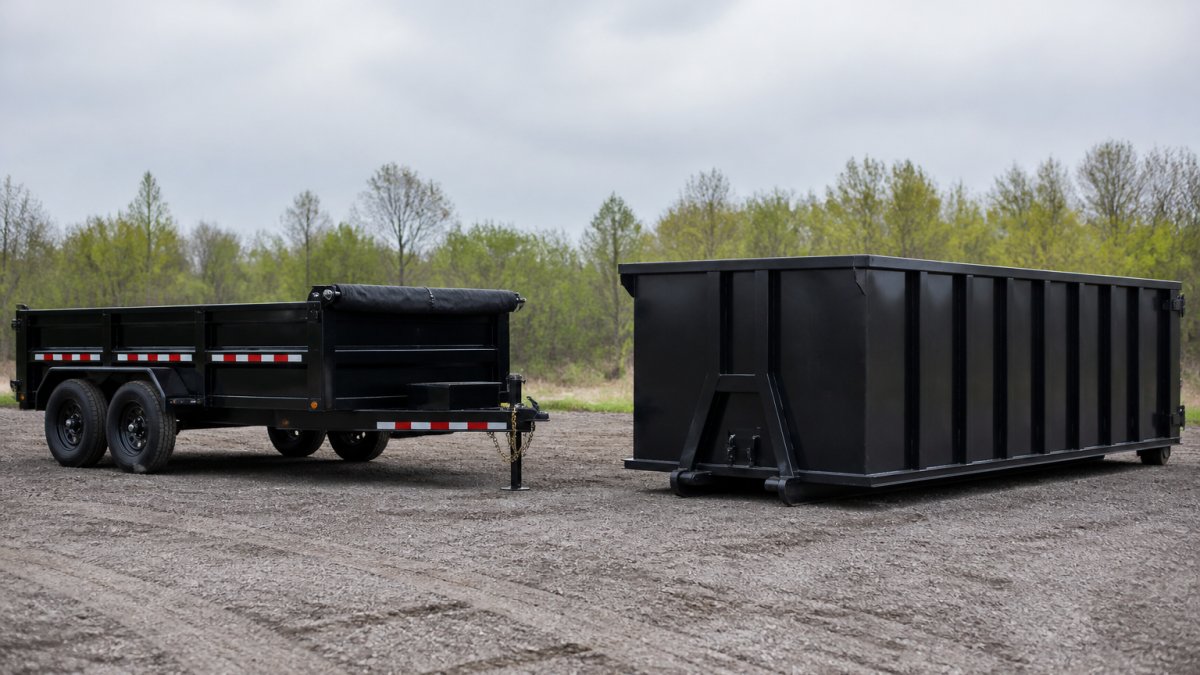
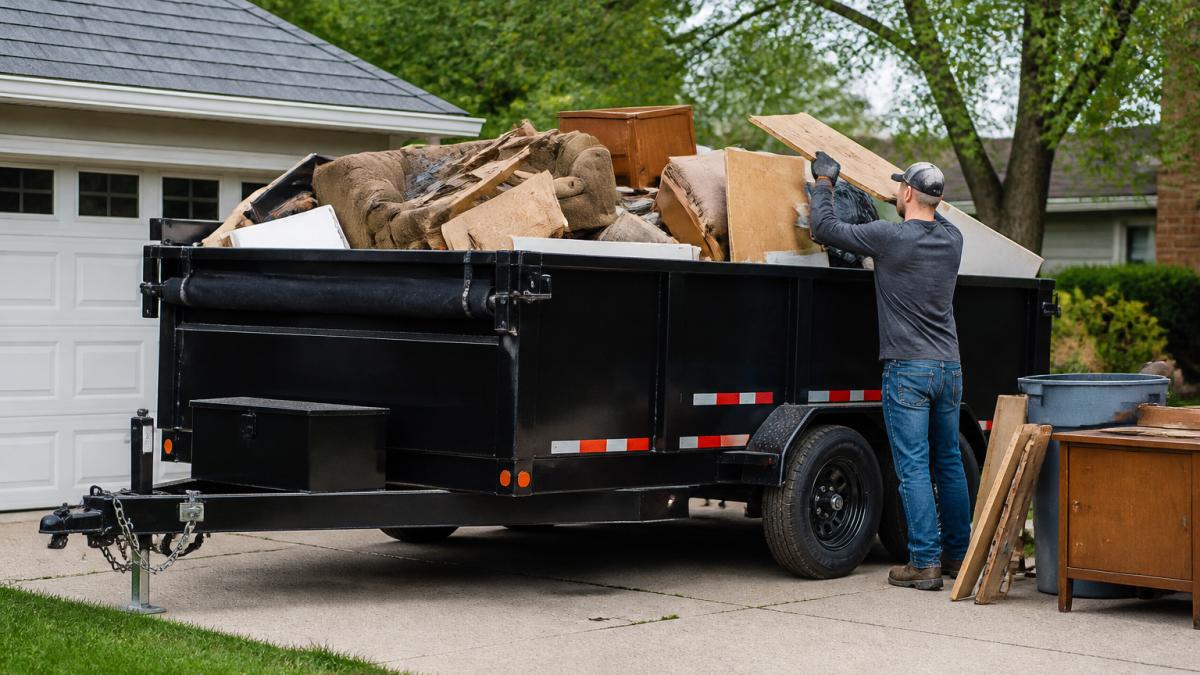
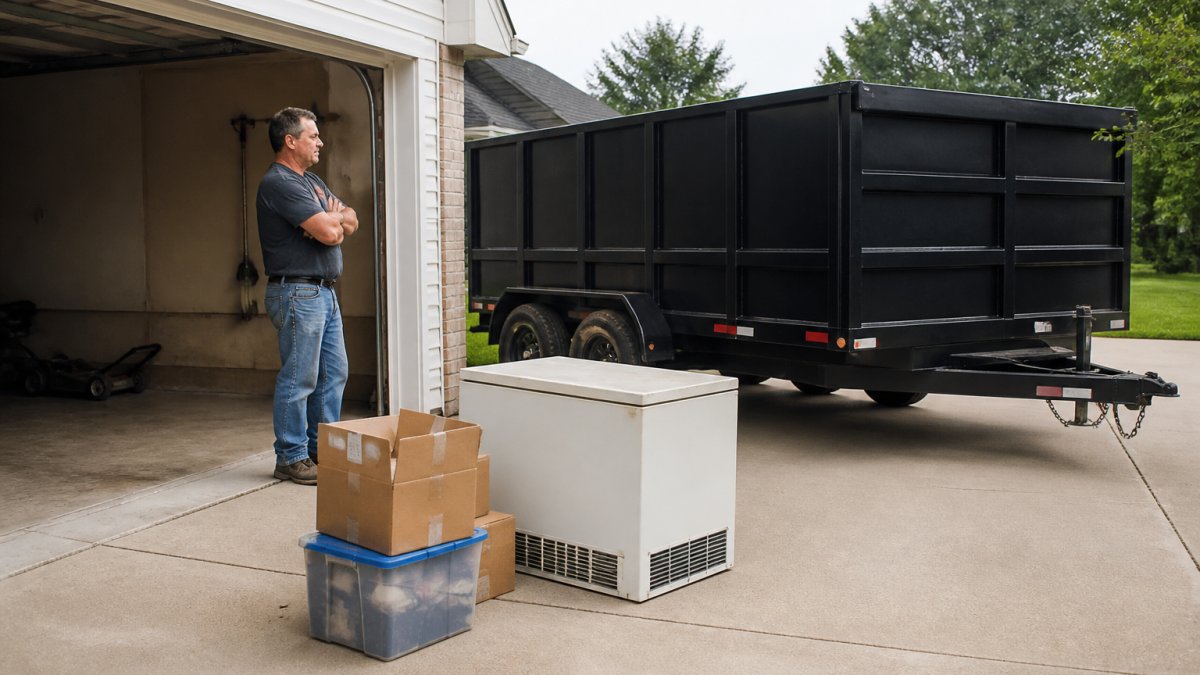
Self-loading rentals put you in control of labor, timing, and sorting. You book a container or trailer, load it over a set period, and the provider hauls it away. This is where Fill and Dump Trailers fits: a 12-yard dump trailer, a three-day loading window, and the first ton of disposal included in the rental.
For apartment complexes and property managers handling tenant move-outs, the same model works across multiple units in one booking.
Whole-Home Cleanouts: A Like-for-Like Comparison of Service Models
Whole-house cleanouts are where the service models diverge most, because labor and volume both spike at once. A like-for-like comparison makes the difference clear.
| Cleanout Scenario | Full-Service Fit | Trailer Rental Fit |
|---|---|---|
| Single-room declutter | Overkill | Good |
| Garage or basement | Workable | Strong |
| Entire home, staged over days | Poor | Strong |
| Estate cleanout with sorting | Poor | Strong |
| Urgent, same-day, no labor available | Strong | Poor |
What a whole-home cleanout actually looks like by volume
Most whole-home cleanouts fall into one of three volume bands, and the band, not the item count, is what drives cost:
- Light (one to two rooms of furniture and boxes): often fits in a single pickup-truck load or a small trailer. Full-service minimums can make this the most expensive per-item option.
- Medium (garage, basement, or several rooms): typically fills a 10- to 15-yard container. This is the sweet spot for a self-loading trailer rental, because the volume is large enough to justify the flat rate but light enough that one or two people can load it over a weekend.
- Heavy (entire home, multiple floors, appliances and bulky furniture): usually requires either a large container plus extra disposal weight or a full-service crew. Labor is the deciding cost here, not container size.
A useful rule of thumb: if the pile is bulky but light (furniture, clothing, cardboard), volume pricing favors you. If the pile is dense (tile, dirt, shingles, concrete), weight pricing will dominate the bill no matter which model you pick.
Estate, hoarding, and downsizing cleanouts
These are the cleanouts that break the standard playbook, and they deserve a different approach than a generic junk haul.
- Estate cleanouts require sorting before disposal. Family members often need days, not hours, to separate keepsakes from discard. A multi-day rental window is almost always a better fit than a same-day crew.
- Hoarding situations need a paced, judgment-free process. A crew that clears a home in three hours cannot offer that, and the cost of a rushed job is often regret over discarded items. Plan for multiple loading sessions and confirm your local disposal rules for restricted items like paint, tires, and electronics.
- Downsizing is the easiest of the three to plan for, because the goal is usually to move usable goods to a smaller home or to donate them. Donation-first routing, checking with organizations like Habitat for Humanity ReStore for furniture and appliance pickup, can remove a meaningful share of the load before disposal.
In all three cases, the pattern is the same: the more sorting and decision-making the job requires, the worse a same-day full-service crew fits, and the better a self-paced container or trailer fits.
A quick decision path
- Can you and one other person physically load the items? If no, hire labor.
- Does the job need to finish today? If yes, hire a crew.
- Is the pile bulky but light, and larger than one room? A trailer rental is usually the lowest-cost path.
- Do you need to sort, donate, or make decisions over several days? A multi-day rental window is the right tool.
Preparing for Your Home Cleanout: A Day-of-Service Checklist
Preparation decides how smoothly your cleanout goes, whether you hire a crew or rent a trailer. Use this checklist the day before and the morning of your service.
- Confirm the delivery window and the exact drop location on your property
- Clear the driveway and a walking path to the trailer or staging area
- Sort items into three piles: keep, donate, dispose
One more thing worth doing: verify your provider's service area and availability in writing before the delivery day. A confirmed appointment beats a hopeful phone call.
Conclusion: Choosing the Right Home Cleanout Option
The right choice comes down to labor, volume, and urgency. If you can load and you have more than a room's worth of stuff, a self-loading trailer rental almost always costs less than a crew.
Fill and Dump Trailers built its rental around that first scenario: a driveway-safe 12-yard dump trailer, a three-day loading period, and the first ton of waste disposal included.
Submit a request with Fill and Dump Trailers and clear your home on your own schedule.
Frequently Asked Questions
What are the best alternatives to 1-800-GOT-JUNK for a home cleanout?
The main alternatives fall into three groups: full-service junk removal companies that haul everything for you, item-based or donation-first services that price per item or accept reusable goods, and self-loading options such as dumpster or dump trailer rentals. For a whole-house cleanout, a dump trailer rental like Fill and Dump Trailers' 12-yard model lets you load at your own pace over three days, with the first ton of disposal included. Each model trades labor for time and cost differently.
Is renting a dump trailer cheaper than hiring a junk removal service?
It often costs less because you supply the labor instead of paying a crew. Junk removal pricing factors include volume, weight, labor, and disposal fees, so a full-service quote for a large cleanout adds up quickly. A dump trailer rental bundles the container, the first ton of disposal, and a three-day loading window into one rate. For exact pricing on your cleanout, request a quote from Fill and Dump Trailers.
What is the difference between full-service junk removal and a dumpster or trailer rental?
Full-service junk removal sends a crew that lifts, loads, and hauls everything away in one visit. A dumpster or dump trailer rental drops a container at your property, and you load it yourself before pickup. The trade-off is labor versus control: full-service saves your back, while a trailer rental lets you sort, donate, and work at your own pace over several days.
Can I load a junk removal trailer at my own pace?
With Fill and Dump Trailers, yes. Each 12-yard rental includes a three-day loading period, so you can fill the trailer across a weekend or around work. If you need more time, contact the company before your scheduled pickup to discuss options. Curbside pickup is also available if you would rather have items collected from the curb rather than loading them yourself.
How do I dispose of furniture and household junk responsibly?
Sort items into three piles: donate, recycle, and landfill. Habitat for Humanity ReStore accepts many large and bulky items, and municipal bulk pickup or recycling centers handle metals and electronics. For everything else, a dump trailer rental consolidates the remaining debris into one load, and the first ton of disposal is included with Fill and Dump Trailers. Check accepted and restricted items before you book.