 comparison
Best U-Haul Alternatives for Trailer Rental in 2026
Table of Contents
- Why Look Beyond U-Haul for Trailer Rental
- Quick Comparison: Top Trailer Rental Alternatives
- Fill and Dump Trailers: Best for Dump Trailer Rental and Cleanouts
- Penske, Budget, and Enterprise: Truck Rental Alternatives
- Finding a Cheap Utility Trailer Rental Without Surprises
- Trailer Rental Cost Comparison: What Drives the Total
- What to Ask Before Renting a Trailer
- Towing Compatibility, Load Capacity, and One-Way Restrictions
- Frequently Asked Questions
Last Updated: October 21, 2026
Why Look Beyond U-Haul for Trailer Rental
Trailer rental has become one of the most competitive corners of the moving business. The national chains dominate search results, but they are not the only game in town.
Most guides compare moving trucks to moving trucks and call it a day. But for a garage cleanout, a bathroom remodel, or hauling a car to a repair shop, you need the right trailer, and the companies that rent trucks are not always the companies that rent trailers well.
Below, we break down the best U-Haul alternatives for trailer rental in 2026 and how to read a rental quote so the total cost does not surprise you at drop-off.
Quick Comparison: Top Trailer Rental Alternatives
The best trailer rental alternative depends on what you are hauling: dump trailers suit debris and cleanouts, truck chains suit long-distance moves, and local yards suit short utility jobs.
| Provider | Best For | Trailer Availability | Watch Out For |
|---|---|---|---|
| Fill and Dump Trailers | Dump trailer rental, cleanouts, debris | 12-yard dump trailers, car haulers | Local delivery area only |
| Penske Truck Rental | Long-distance moves | Trucks; trailer support varies | Confirm trailer stock at your location |
| Budget Truck Rental | Lower-cost truck moves | Trucks; limited trailer options | Reported truck rates exclude trailer pricing |
| Enterprise Truck Rental | Vehicle variety | Trucks; trailer availability varies | Ask about hitch and towing rules |
| Local utility trailer yards | Short-haul utility and cargo jobs | Utility, enclosed, cargo trailers | Hours and one-way rules vary widely |
The pattern is clear: the national brands are truck-first businesses, and trailer availability changes by location.
Fill and Dump Trailers: Best for Dump Trailer Rental and Cleanouts
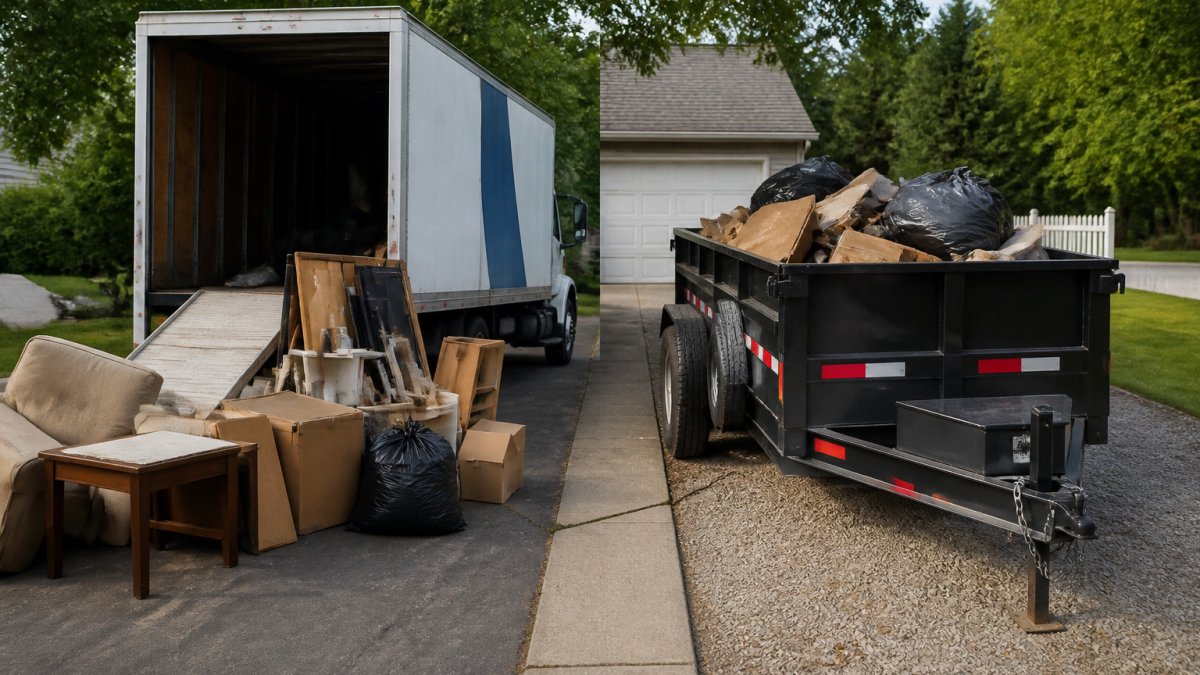
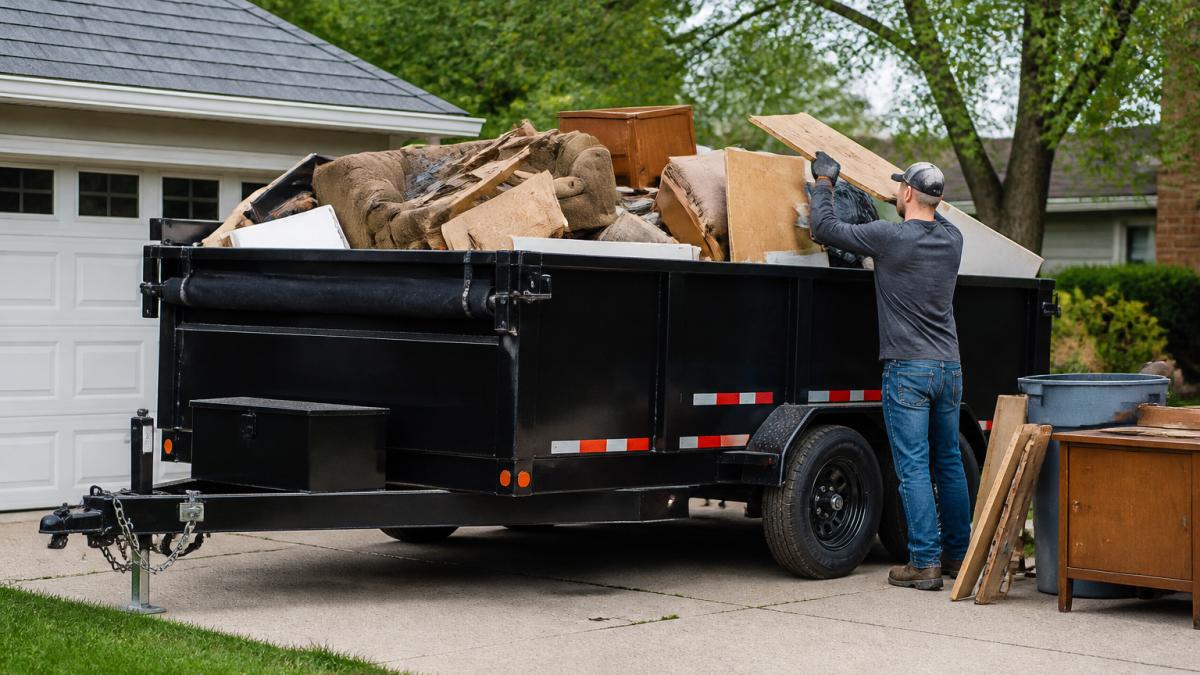
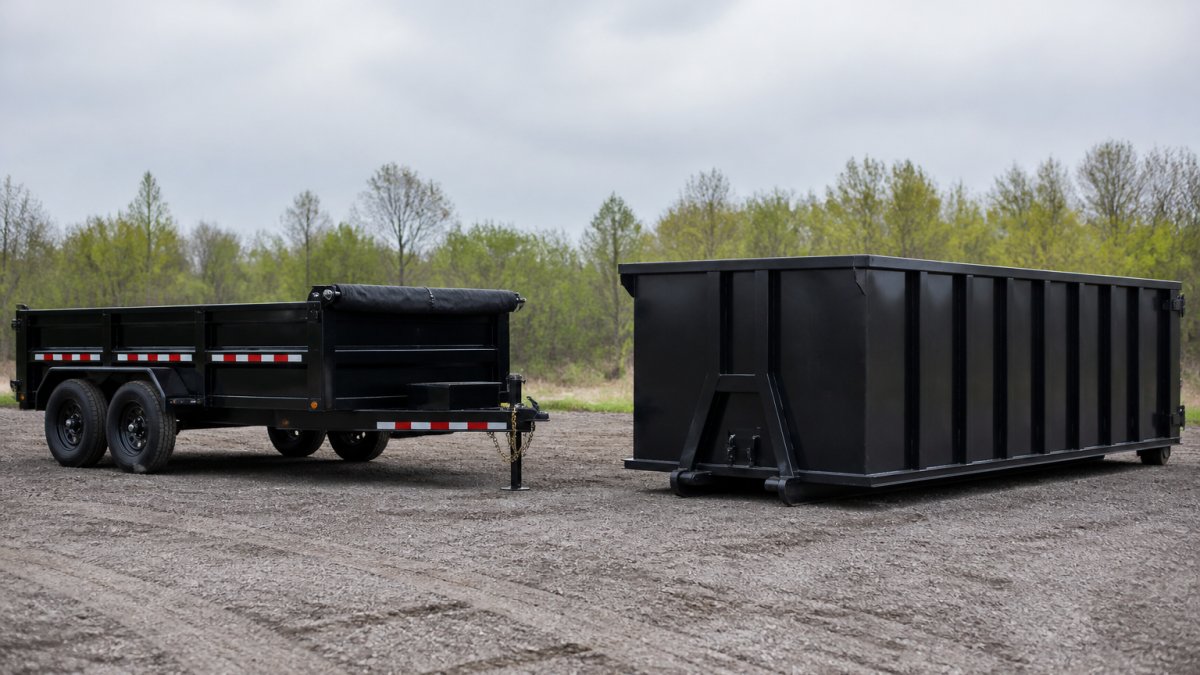
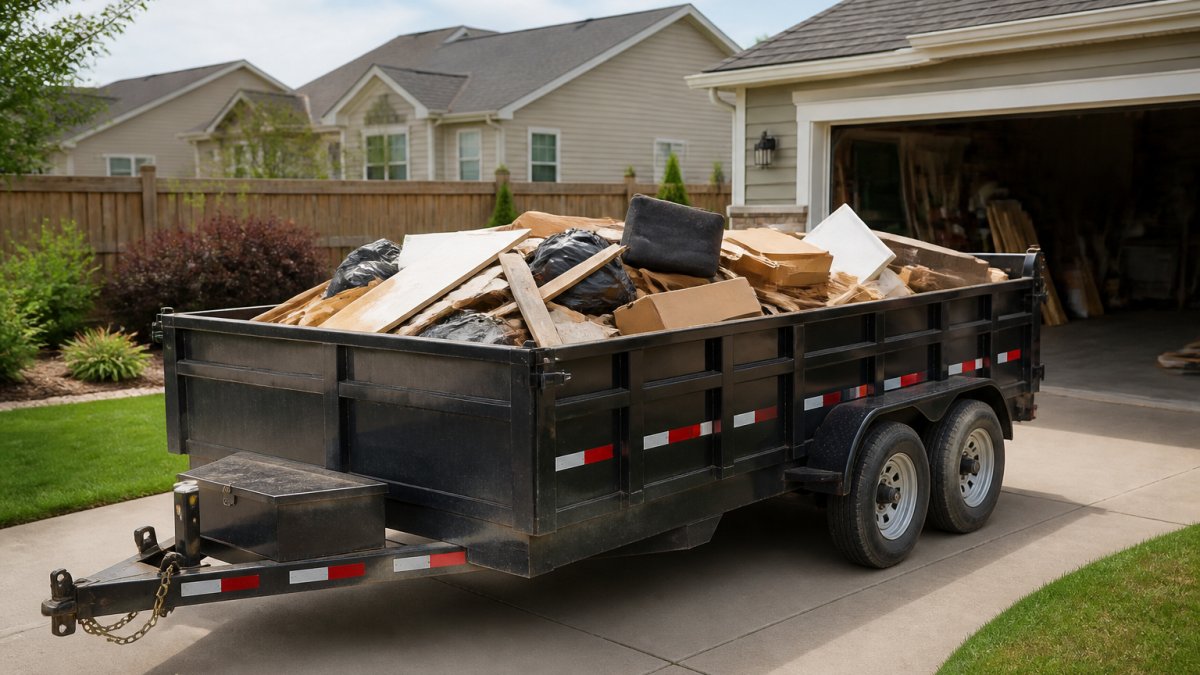
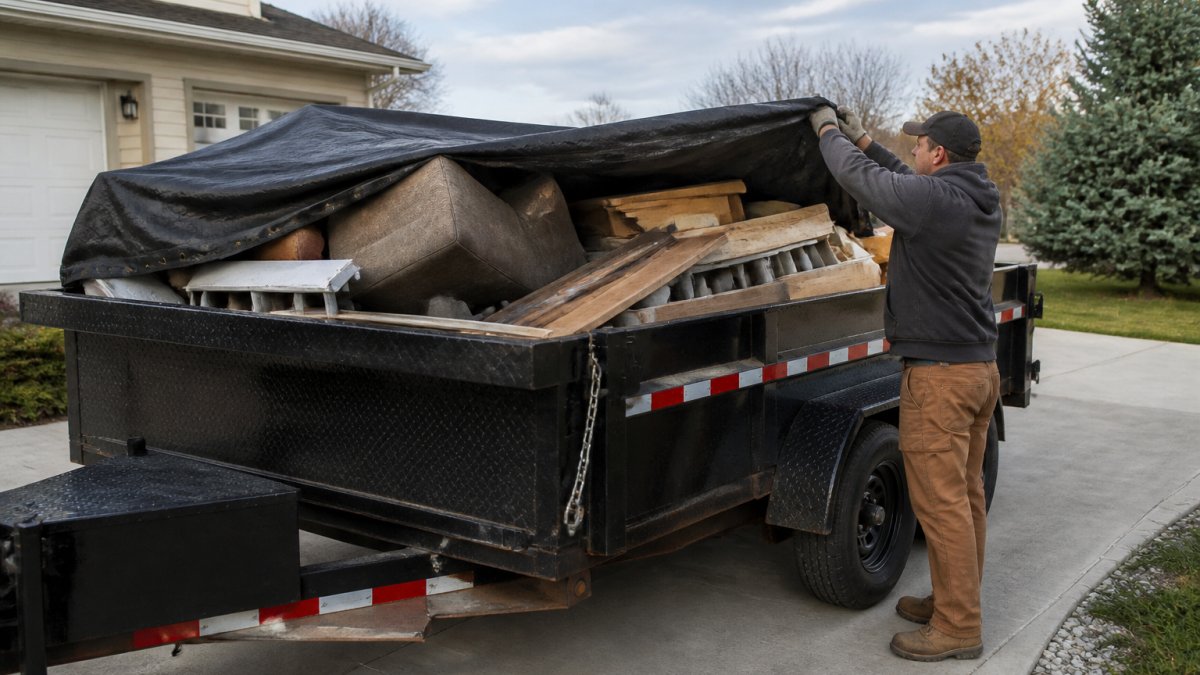
For household cleanouts and construction debris, a 12-yard dump trailer beats a moving truck every time. Fill and Dump Trailers delivers a driveway-safe dump trailer to your property, gives you a three-day loading window, and includes the first ton of waste disposal.
What Makes the 12-Yard Dump Trailer Different
Twelve cubic yards is the practical sweet spot for a garage, attic, or basement cleanout. It holds roughly the debris of a small remodeling project without overwhelming a standard driveway, and it tips to dump, so you never lift a mattress or appliance over your head.
A few things we build into every rental:
- Driveway-safe design
- First ton of disposal included in the rental price
- Car hauler trailers with or without a winch for vehicle transport
Penske, Budget, and Enterprise: Truck Rental Alternatives
The national truck chains are legitimate U-Haul alternatives, but they are built around trucks, not trailers. Budget Truck Rental is often described as the lower-price option, and a supplied comparison reports a 12-foot box truck at $121 per day with up to 50 miles included.
Penske Truck Rental shows up repeatedly in long-distance move comparisons, and Enterprise Truck Rental earns mention for vehicle variety. Neither is a trailer specialist.
Where Truck Rentals Fall Short for Trailer Needs
Truck rentals make sense when you are moving furniture across state lines. They make much less sense when your load is debris, yard waste, or a single vehicle.
- Box trucks cannot dump. You unload by hand at the transfer station.
- Mileage charges stack up fast on local back-and-forth trips.
- Trailer inventory at truck branches is thin and changes by location.
Federal Motor Carrier Safety Administration towing guidance is worth reading before you tow anything, because the rules follow the driver, not the rental company.
Finding a Cheap Utility Trailer Rental Without Surprises
A cheap utility trailer rental is rarely the lowest advertised daily rate. It is the quote with the fewest add-ons after the base price. The advertised number usually covers the trailer and nothing else, while the real invoice adds equipment fees, damage waivers, cleaning charges, and mileage.
Ask for the out-the-door total before you reserve. A rental company that will not give you that number in writing is telling you something.
Trailer Rental Cost Comparison: What Drives the Total
Most trailer rental cost comparisons stop at the daily rate, the least useful number on the page. The total you actually pay is built from five line items, four usually quoted separately or buried in the rental agreement.
| Cost Line | How It Is Usually Quoted | What Moves It Up | What Moves It Down |
|---|---|---|---|
| Base rental period | Per day, per weekend, or per week | Extra days, holiday weekends, peak moving season | Multi-day or weekly flat rates; off-peak booking |
| Mileage or delivery | Per mile, flat delivery fee, or included allowance | Towing distance, repeated back-and-forth trips | Local delivery instead of towing yourself; included-mileage packages |
| Disposal or dump fees | Per ton, per load, or included allowance | Weight of debris, construction material, mattresses | Rentals that include the first ton; sorting out recyclables and metal |
| Damage waiver / protection | Per day, capped at a percentage of rental | Larger trailers, longer rentals, higher declared value | Declining coverage only if your auto policy already extends to towed equipment |
| Taxes, deposits, and fees | Percentage of rental, refundable hold, admin fee | Local tax rates, card-hold amount, late-return fees | Paying with a card that releases the hold quickly; returning on time |
A Worked Estimate You Can Copy
Suppose you are renting a 12-yard dump trailer for a garage cleanout. A typical quote has a multi-day base rate, a flat local delivery and pickup fee, the first ton of disposal included, and a per-ton charge for anything over that.
If your quote includes the first ton, your overage exposure is the second ton at the per-ton rate. Ask for that number in writing, it is the line item most likely to turn a "cheap" rental into an expensive one.
A truck rental quote is built differently.
The Out-the-Door Script
When you call any provider, ask for these five numbers in one sentence: base rental, delivery or mileage, disposal allowance and per-ton overage, damage waiver, and taxes and deposits. Add them. That is your real price. A provider that will not put all five in writing is telling you which line item they plan to surprise you with.
What to Ask Before Renting a Trailer
Before you sign, get clear answers to these questions. They separate a smooth rental from a stressful one.
- What is the total out-the-door price, including fees and taxes?
- Is disposal or dump weight included, and what is the per-ton charge beyond it?
- What is the exact trailer size and load capacity?
Towing Compatibility, Load Capacity, and One-Way Restrictions
Towing compatibility is where most trailer rentals go wrong. Your vehicle's towing capacity, hitch class, ball size, wiring connector, and brake setup all have to match the trailer, and the rental company should confirm that match before you drive off. A half-ton pickup and a compact SUV are not interchangeable tow vehicles, even when both have a hitch.
The Four-Point Match-Up
Before you reserve, verify these four things against the trailer's spec sheet, not against the rental agent's memory:
- Hitch class and ball size. A Class III receiver with a 2-inch ball is the common setup for utility and dump trailers. A Class I or II hitch with a 1-7/8-inch ball is not rated for the same load. The ball mount and ball must be rated for the trailer's gross weight, not just the hitch.
- Wiring connector. Four-pin flat is common for small utility trailers with basic lighting. Seven-pin round is common for trailers with electric brakes and auxiliary power. An adapter can bridge the two, but it does not add brake capability.
- Brake requirements. Many states require trailer brakes above a certain gross weight, and the threshold varies. A trailer with electric brakes needs a brake controller in the tow vehicle. If your vehicle did not come with one, confirm whether the rental company supplies or requires it.
- Tongue weight and payload. Payload is the trailer's rated capacity, not the trailer's empty weight. Ask for both numbers, then subtract what you plan to load. Tongue weight, the downward force at the coupler, also counts against your vehicle's payload and rear-axle rating.
Renters often check towing capacity and stop there. Towing capacity is the ceiling, not the plan: trailer empty weight plus cargo weight must stay under the trailer's gross vehicle weight rating, and tongue weight plus passengers plus gear must stay under the tow vehicle's payload rating.
Load Capacity in Practice
Load capacity matters as much as towing capacity, and overloading is both a safety and a damage-liability problem, the renter usually eats that cost. Ask for the trailer's empty weight and payload rating, then estimate your load before you load it.
National Highway Traffic Safety Administration trailer safety information covers load distribution and safe towing basics, including the importance of securing the load and keeping weight balanced over the axle.
One-Way Restrictions: The Quiet Dealbreaker
One-way rules are where trailer rentals diverge most sharply from truck rentals.
For long-distance moves, this changes the math. If a trailer must return to the origin, you pay for the round trip in mileage or delivery and are responsible for the return tow.
Federal Motor Carrier Safety Administration towing guidance is worth reading before you tow anything, because the rules follow the driver, not the rental company.
Frequently Asked Questions
Is U-Haul cheaper than other trailer rental companies?
U-Haul often advertises low base rates, but the final bill depends on mileage charges, rental period, and equipment fees. A short local move may look cheap upfront, while longer distances and multi-day rentals can push the total higher. Compare the full cost, not just the daily rate. Dump trailer rentals that bundle disposal into the price can also beat a truck plus landfill fee combination for cleanout projects.
Can you rent a dump trailer instead of a U-Haul trailer?
Yes. A dump trailer rental is a practical swap for hauling debris, old appliances, or renovation waste. A 12-yard dump trailer holds roughly the equivalent of several pickup loads, and the hydraulic tilt makes unloading fast. Many dump trailer rentals include the first ton of disposal, so you avoid separate landfill trips. Confirm the trailer's hitch and towing capacity match your vehicle before booking.
What should I compare when choosing a trailer rental company?
Look at four things: the total cost including mileage and disposal fees, the trailer size and load capacity, hitch and vehicle compatibility, and whether one-way rentals are allowed. Ask about the rental period, late fees, and damage responsibility. A cheap utility trailer rental that charges extra for every mile can cost more than a higher daily rate with included mileage and disposal.
Do trailer rentals include disposal fees?
Most conventional trailer rentals do not include disposal, so you pay landfill or transfer station fees separately. Some dump trailer rentals bundle the first ton of waste disposal into the rental price, which simplifies budgeting for cleanouts. Ask specifically what weight is included and how overage is weighed and charged before you book, so the final bill matches your quote.
How much does it cost to rent a trailer?
Trailer rental pricing depends on trailer type, rental period, and location, so rates vary widely. A utility trailer for a weekend typically costs less than a dump trailer that includes disposal. Build a trailer rental cost comparison that includes the base rate, mileage charges, disposal fees, and any delivery charge. Request a written quote so you can compare totals rather than advertised daily rates.