 ultimate-guide
Affordable Dump Trailer Rentals: A Complete Guide
Table of Contents
- What You Need to Know About Dump Trailer Rentals
- Dump Trailer Rental Cost and Pricing Breakdown
- Residential Dumpster Rental vs. Dump Trailer: Which Fits Your Project
- How to Load a Dump Trailer Safely and Efficiently
- Towing Vehicle Compatibility and Safety Requirements
- Permits, Legal Requirements, and What's Prohibited
- Rental Duration Options: Daily, Weekly, and Flexible Loading
- Conclusion
- Frequently Asked Questions
Last Updated: October 1, 2026
What You Need to Know About Dump Trailer Rentals
A dump trailer rental is a flexible waste disposal solution that lets you load debris at your own pace and haul it away yourself. Unlike junk removal services, dump trailer rentals put you in control of timing and costs. Fill and Dump Trailers specializes in 12-yard dump trailers for residential projects, attic cleanouts, garage decluttering, and renovations.
You get a driveway-safe trailer with a three-day loading period to fill at your own pace. This flexibility matters because projects often take longer than expected or weather delays your timeline.
Dump Trailer Rental Cost and Pricing Breakdown
Dump trailer rental pricing depends on location, duration, debris weight, and delivery/pickup services. Request a quote from Fill and Dump Trailers for current pricing in your area.
Most dump trailer rentals charge a base fee plus disposal fees by weight. Fill and Dump Trailers includes the first ton of disposal in the rental price, eliminating surprise charges for typical household projects. Additional weight incurs extra disposal fees.
Delivery and pickup fees vary by provider. Fill and Dump Trailers offers both standard and curbside pickup service for items you can't load yourself.
Dump trailer rentals can be a cost-effective option. For multi-room projects, dump trailer rentals can be a good choice; for single-room cleanouts, other options may be considered.
Residential Dumpster Rental vs. Dump Trailer: Which Fits Your Project
A dumpster is a stationary container you fill over days or weeks; the company hauls it away. A dump trailer is towed to a disposal facility by you or the rental company. Dump trailers offer loading flexibility.
Dumpsters work best for:
- Long-term projects where you're generating debris over weeks
- Situations where you have limited driveway space but can tolerate a large stationary container
- Projects where you don't have a vehicle capable of towing
Dump trailers work best for:
- Projects where you want flexibility in your loading schedule
- Situations where a stationary dumpster would block your driveway or parking
- Homeowners with a capable towing vehicle
- Apartment complexes managing tenant move-outs or renovations
How to Load a Dump Trailer Safely and Efficiently
Proper loading ensures safety and prevents trailer shift, vehicle damage, and road hazards.
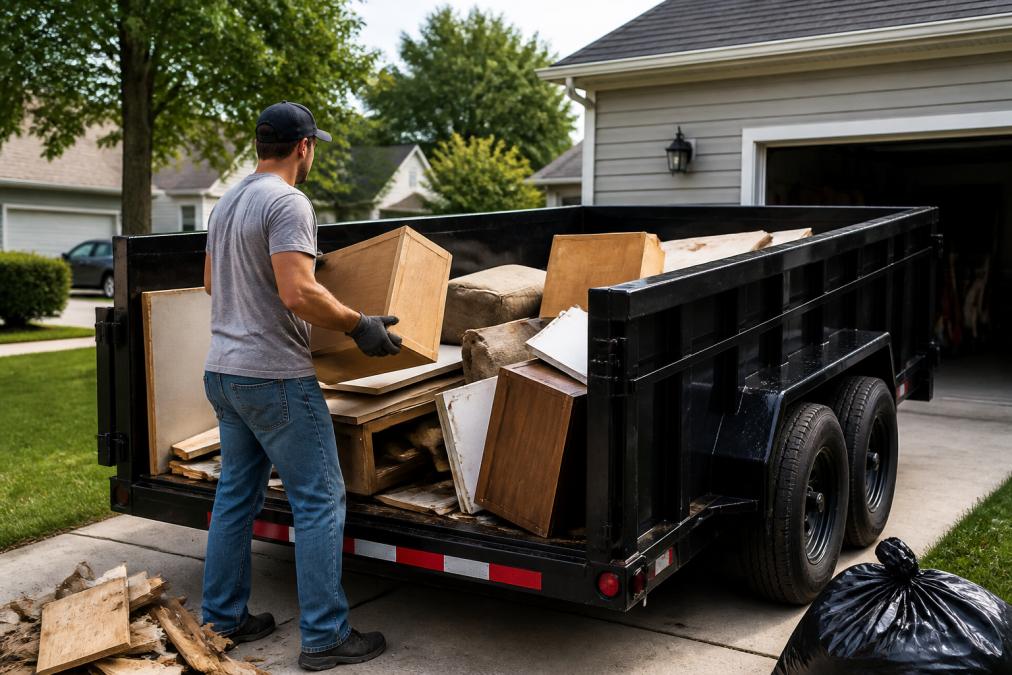
Start with the heaviest items at the front. Place concrete, metal, and appliances near the hitch to center weight over axles and improve stability. Never load heavy items toward the rear.
Distribute weight side to side. Spread materials evenly to prevent swaying on turns and at highway speeds.
Fill to the top, not beyond. The trailer has a weight capacity and a height limit. Fill it completely to maximize your haul, but don't exceed the rim. Overstuffed trailers shed debris on the road, create a safety hazard, and may violate local regulations.
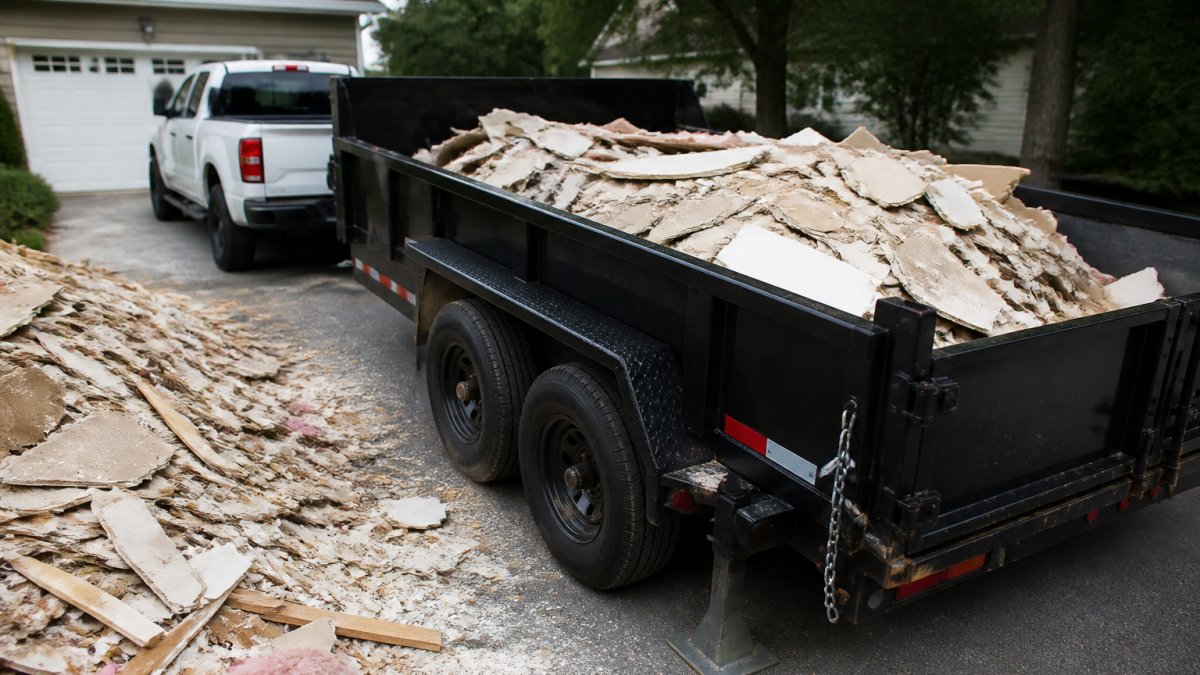
Secure loose items. Smaller debris, drywall scraps, wood pieces, insulation, should be contained or weighted down. Use tarps or netting if needed. Loose materials flying off during transport are dangerous and illegal.
Break down large items when possible. A mattress takes up enormous space. If you can disassemble furniture or cut wood into smaller pieces, you'll fit more in the trailer and distribute weight better.
Know your trailer's weight limit. A 12-yard dump trailer has a gross vehicle weight rating (GVWR), the maximum total weight of the loaded trailer plus your towing vehicle. Exceeding this is unsafe and illegal. If you're unsure whether your load is within limits, ask Fill and Dump Trailers when you arrange pickup.
Towing Vehicle Compatibility and Safety Requirements
Not every vehicle can safely tow a loaded dump trailer. This is where many people make mistakes, they assume their truck or SUV is capable when it's not.
Your vehicle needs three things: adequate towing capacity, a proper hitch, and a brake controller.
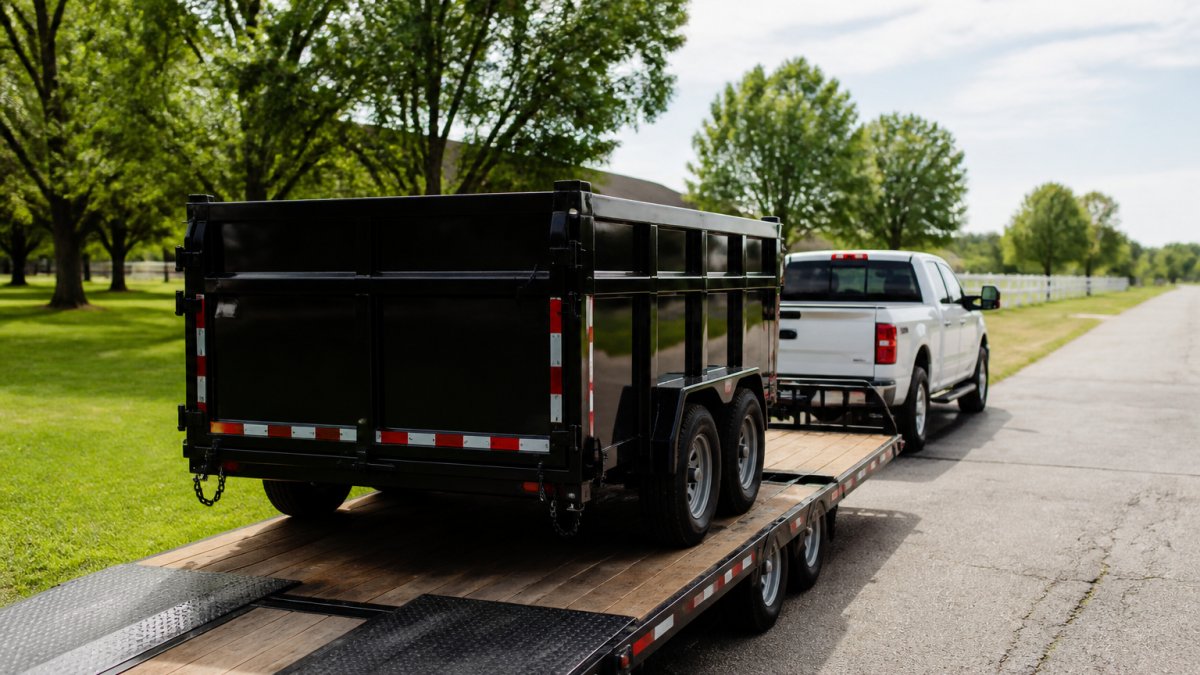
Towing capacity is the maximum weight your vehicle can safely pull. Check your owner's manual or the manufacturer's website. A 12-yard loaded dump trailer can be heavy depending on contents. Your vehicle's towing capacity should be sufficient for the loaded trailer.
The hitch connects your trailer to your vehicle. A Class II hitch (common on sedans and smaller SUVs) handles lighter loads. A Class III hitch (trucks and larger SUVs) handles heavier loads. The hitch must match your vehicle's towing capacity. Mismatched hitches cause accidents.
A brake controller is essential. It synchronizes your trailer's brakes with your vehicle's brakes, so when you brake, the trailer brakes too. Without it, the trailer pushes your vehicle, and you lose stopping power. A brake controller is essential. It synchronizes your trailer's brakes with your vehicle's brakes, so when you brake, the trailer brakes too. Without it, the trailer pushes your vehicle, and you lose stopping power. Fill and Dump Trailers can advise on whether your trailer requires one.
Before renting, verify your vehicle's towing capacity and hitch class. If you're unsure, have a mechanic check. Towing an incompatible trailer isn't just unsafe, it can damage your vehicle's transmission and suspension.
Permits, Legal Requirements, and What's Prohibited
Dump trailer rentals fall under local regulations that vary by jurisdiction. Before you load your trailer, understand what's legal in your area.
Permits: Some municipalities require permits for dump trailer rentals, especially if the trailer will sit in your driveway for several days. Contact your local building department or code enforcement office to ask. Fill and Dump Trailers can often advise on local requirements.
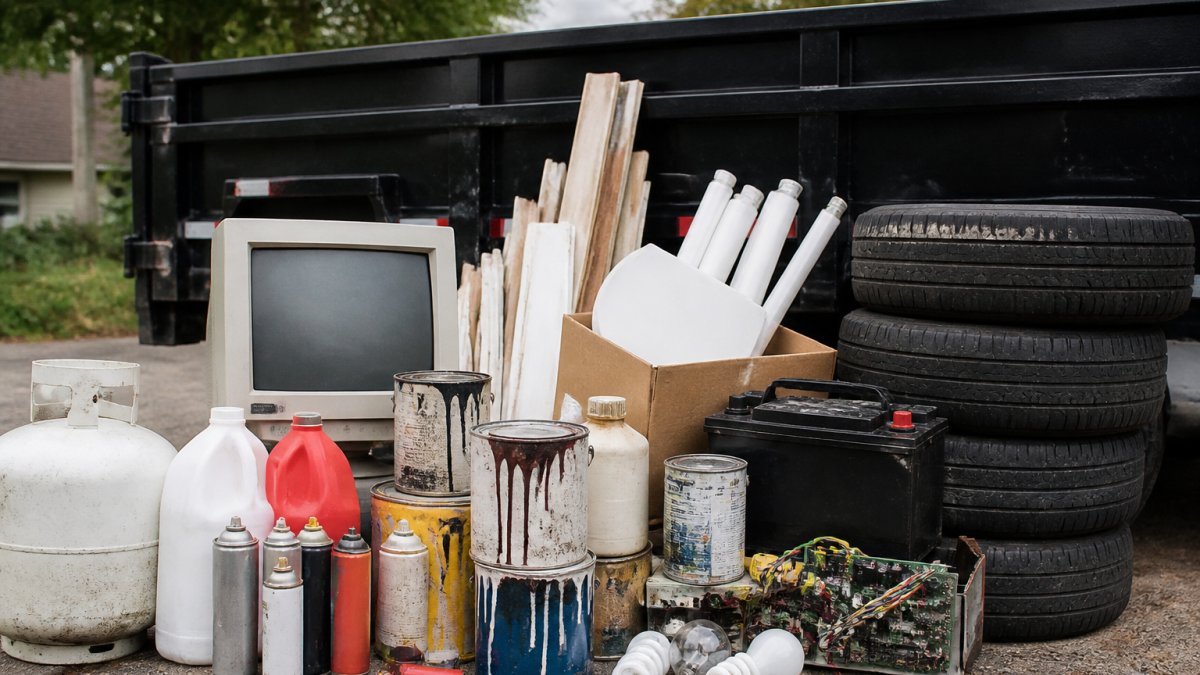
Prohibited materials: Most disposal facilities won't accept certain items. Hazardous materials, paint, solvents, batteries, pesticides, asbestos, require special handling and cannot go in a standard dump trailer. Tires, electronics, and appliances often have separate disposal requirements. Before loading, ask Fill and Dump Trailers what's prohibited. If you're unsure about a specific item, ask rather than risk a rejected load.
Weight limits and road safety: Your loaded trailer must comply with state weight limits for towing. Overweight trailers are subject to fines and can be pulled over by highway patrol. Disposal facilities also weigh trailers and may refuse overweight loads.
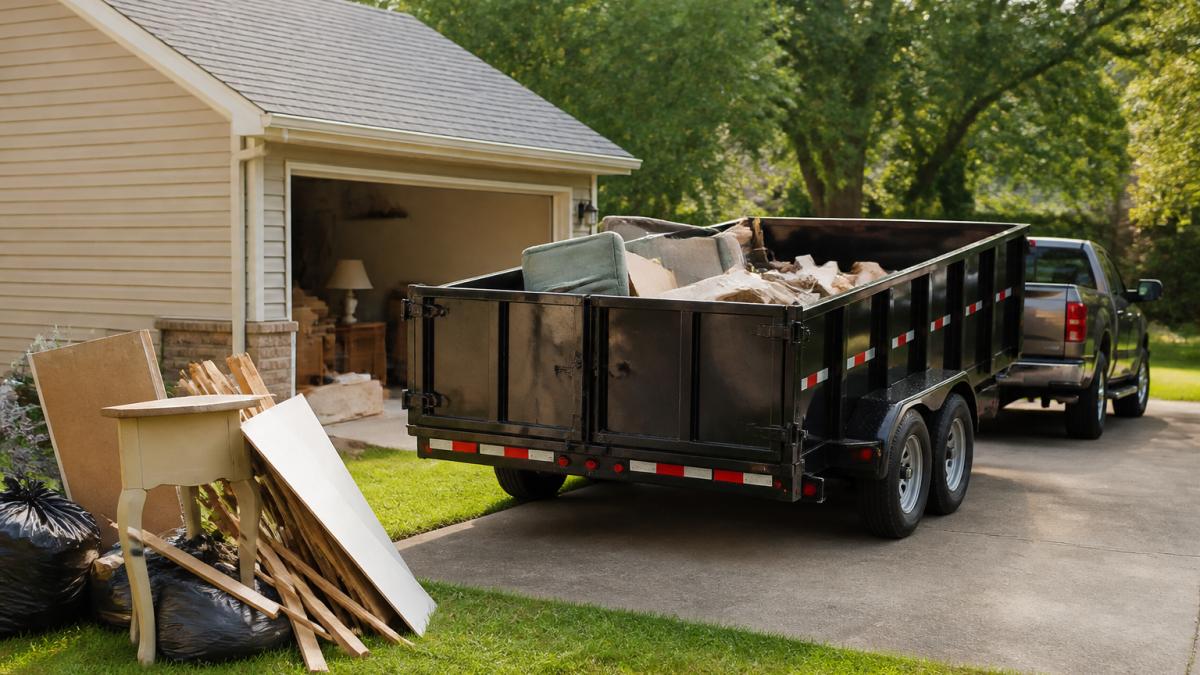
Driveway and property considerations: Confirm with Fill and Dump Trailers that the trailer won't damage your driveway. They design their 12-yard trailers to be driveway-safe, distributing weight across multiple axles to minimize ground pressure. Still, extremely old or weakened driveways may have issues. Discuss this upfront.
Rental Duration Options: Daily, Weekly, and Flexible Loading
Dump trailer rentals come with different duration options, and understanding them helps you avoid unnecessary charges.
Daily rentals give you one day to load the trailer. This works if you have a small project and can work quickly. However, most residential cleanouts take longer than a single day, especially if you're working alone or part-time.
Weekly rentals give you seven days. This is more realistic for most household projects. You can work at your own pace, take breaks, and handle unexpected complications without rushing.
Fill and Dump Trailers' three-day loading period falls between daily and weekly. Three days is enough for most attic cleanouts, garage decluttering, and small renovation projects. If your project needs more time, you can request an extension, though additional days may incur charges.
The key advantage of flexible loading periods is that you're not forced to cram everything into a single day. You can load in the morning, assess what else needs to go, and finish the next day.
Conclusion
Dump trailer rentals offer homeowners and property managers a flexible solution for waste disposal. The ability to load at your own pace, combined with driveway-safe design and included disposal costs, makes them practical for household cleanouts and renovation debris.
Fill and Dump Trailers simplifies the process with 12-yard trailers, a three-day loading period, and the first ton of disposal included in every rental. Whether you're clearing an attic, managing a tenant move-out, or hauling construction waste, a dump trailer rental puts you in control of your project timeline and budget. Contact Fill and Dump Trailers for a quote and confirm your vehicle's towing capacity before your delivery date.
Frequently Asked Questions
What is the difference between a dump trailer and a roll-off dumpster?
A dump trailer is a mobile, hydraulic-equipped trailer you rent and load yourself over several days, ideal for projects where you control the pace. A roll-off dumpster is a stationary bin placed on your property that a service picks up when full. Dump trailers offer flexibility and lower costs for smaller projects, while roll-off dumpsters suit larger demolition jobs or when you need hands-off service. Dump trailers are also driveway-safe, making them suitable for residential properties.
How much does dump trailer rental cost, and what's included?
Pricing depends on trailer size, rental duration, your location, and the amount of waste. Most affordable dump trailer rentals include delivery, pickup, and a set amount of disposal (often the first ton). Additional tonnage beyond that incurs extra charges. Request a quote from your local provider to get accurate pricing for your specific project, as rates vary by market and season.
Do I need a special vehicle to tow a dump trailer?
Your vehicle must meet the dump trailer's towing capacity and gross vehicle weight rating (GVWR). Most standard pickup trucks can tow a 12-yard dump trailer, but you should verify your truck's owner manual for its towing limit. You'll also need a compatible trailer hitch and, typically, a brake controller for safe operation. If you're unsure, ask your rental provider about vehicle compatibility before committing.
What items are prohibited in a dump trailer rental?
Most dump trailers cannot accept hazardous materials like paint, chemicals, batteries, tires, or appliances containing refrigerants. Some providers also restrict electronics, asbestos, and certain metals. Always confirm the prohibited items list with your rental company before loading, as restrictions vary. This prevents environmental violations and ensures safe disposal of your debris.