 ultimate-guide
The Complete Guide to Disposing of Construction Debris
Last Updated: October 25, 2026
Quick Summary
The best way to dispose of construction debris depends on project size, material types, and available resources. Options include renting a dumpster or dump trailer for on-site containment, using drop-off sites and transfer stations, recycling and reusing materials, or hiring full-service junk removal.
- Roll-off dumpsters typically rent for three to seven days with weight limits of 10 to 20 tons and overage fees beyond that.
- Separate concrete, brick, metal, and wood into dedicated recycling streams to qualify for lower disposal rates and potential revenue from scrap sales.
- Undamaged materials like lumber, doors, windows, and fixtures can be donated to Habitat for Humanity ReStore or local salvage yards to reduce disposal volume and costs.
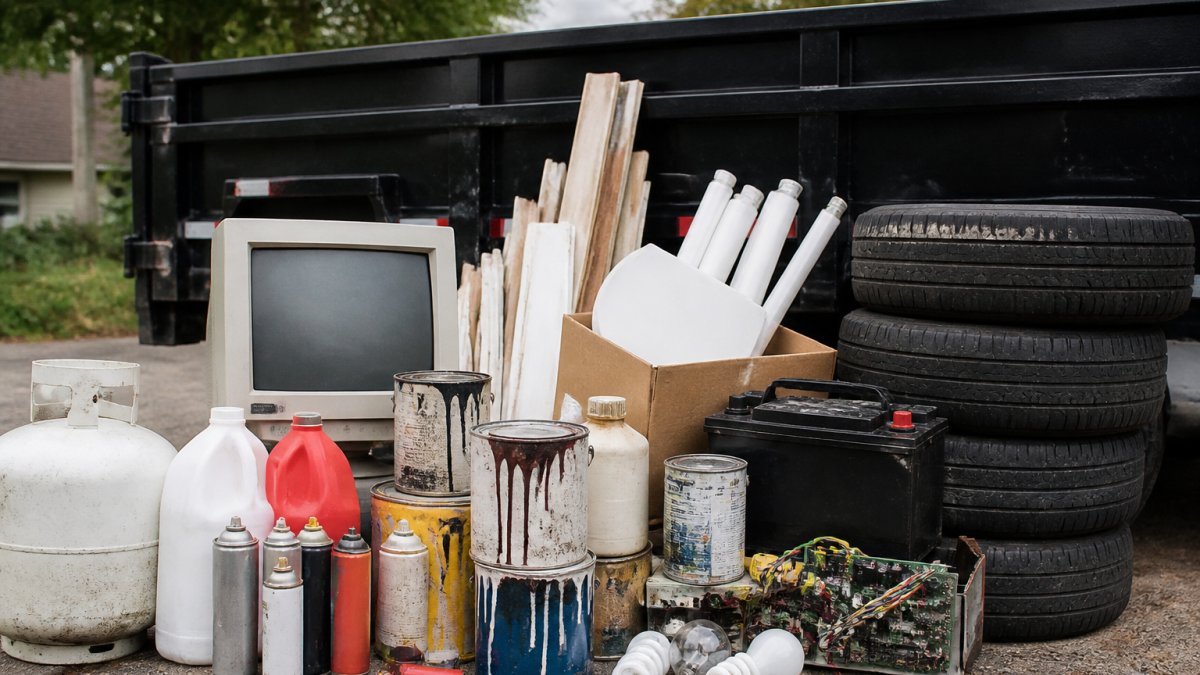
- Hazardous materials such as asbestos, lead paint, and treated wood require licensed handlers and cannot go in standard containers.
Table of Contents
- Understanding Your Construction Debris Disposal Options
- Renting a Construction Dumpster for On-Site Containment
- Using Drop-Off Sites and Transfer Stations
- Recycling and Reusing Construction Materials
- Donating Salvageable Materials and Reducing Waste
- Understanding Construction Waste Disposal Costs
- Choosing the Right Disposal Method for Your Project
- Frequently Asked Questions
Understanding Your Construction Debris Disposal Options
Disposing of construction debris doesn't have to mean hauling everything to a landfill. Renovations, demolitions, and cleanouts offer several paths forward, each with different costs, timelines, and environmental impacts.
At Fill and Dump Trailers, we work with homeowners facing this decision. Some materials can be salvaged or donated, others belong in recycling facilities, and a few require careful handling due to regulations.
Understanding your options upfront saves money and headaches later. The EPA tracks construction and demolition debris management practices including source reduction, salvaging, reuse, and recycling.
Renting a Construction Dumpster for On-Site Containment
A roll-off dumpster is the most straightforward solution for moderate to large volumes of mixed debris.
The standard rental period runs three to seven days. Pricing depends on quantity, dates, and delivery distance, so contact providers for current quotes. Weight limits typically range from 10 to 20 tons, with overage fees beyond that. Learn what items are prohibited in dumpsters to avoid violations and fees. The hauler handles sorting and final disposal.
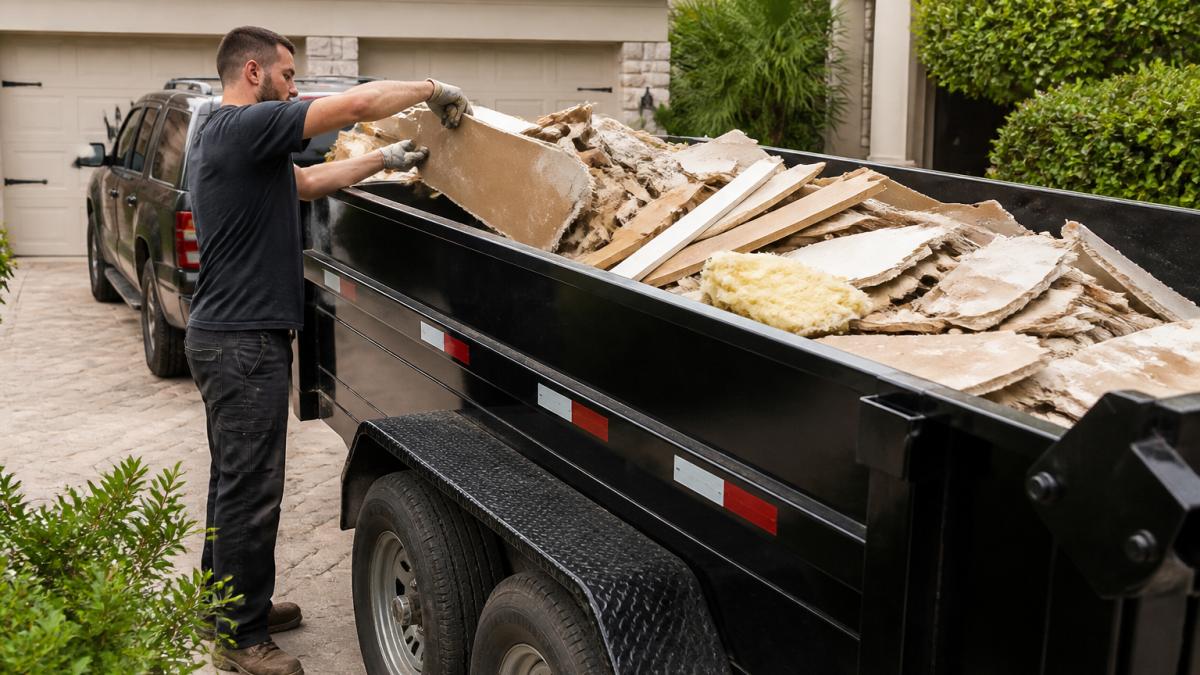
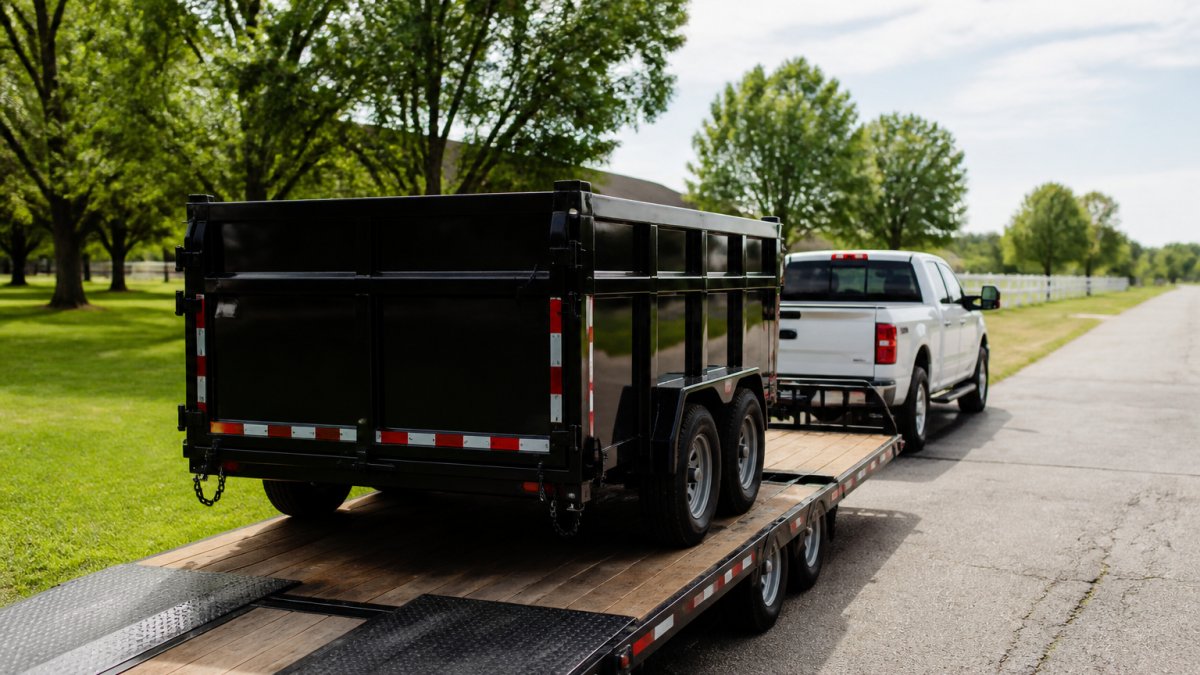
Fill and Dump Trailers offers an alternative with our 12-yard dump trailers. If you're exploring options beyond traditional dumpsters, discover dumpster alternatives for home renovation.
The key difference is mobility.
Using Drop-Off Sites and Transfer Stations
If you prefer to haul debris yourself or have a smaller volume that doesn't justify a full rental, drop-off sites and transfer stations accept construction waste by the load. You transport materials yourself and pay per ton or by load size.
Most transfer stations separate debris by material type at the gate or require pre-sorting. Uncontaminated soil, rock, stone, and gravel go in one pile; concrete, brick, and block in another; wood, metal, and mixed debris have separate areas.
The advantage of transfer stations is lower per-ton fees compared to dumpster rentals, especially for smaller projects. You're responsible for loading, transporting, unloading, and potentially making multiple trips. The South Carolina Department of Environmental Services identifies source reduction, salvaging, reuse, and recycling as key construction debris management practices for builders and residents.
Recycling and Reusing Construction Materials
Construction debris is not all trash, but recycling only pays off when you match each material to the right destination and prepare it correctly.
| Material | Best destination | Preparation | Common disqualifiers |
|---|---|---|---|
| Wood (untreated lumber, pallets, framing) | Wood recycling yard, mulch/compost facility, or salvage resale | Remove nails and screws where practical; keep painted or treated wood separate | Pressure-treated, painted, or stained wood; plywood with adhesive |
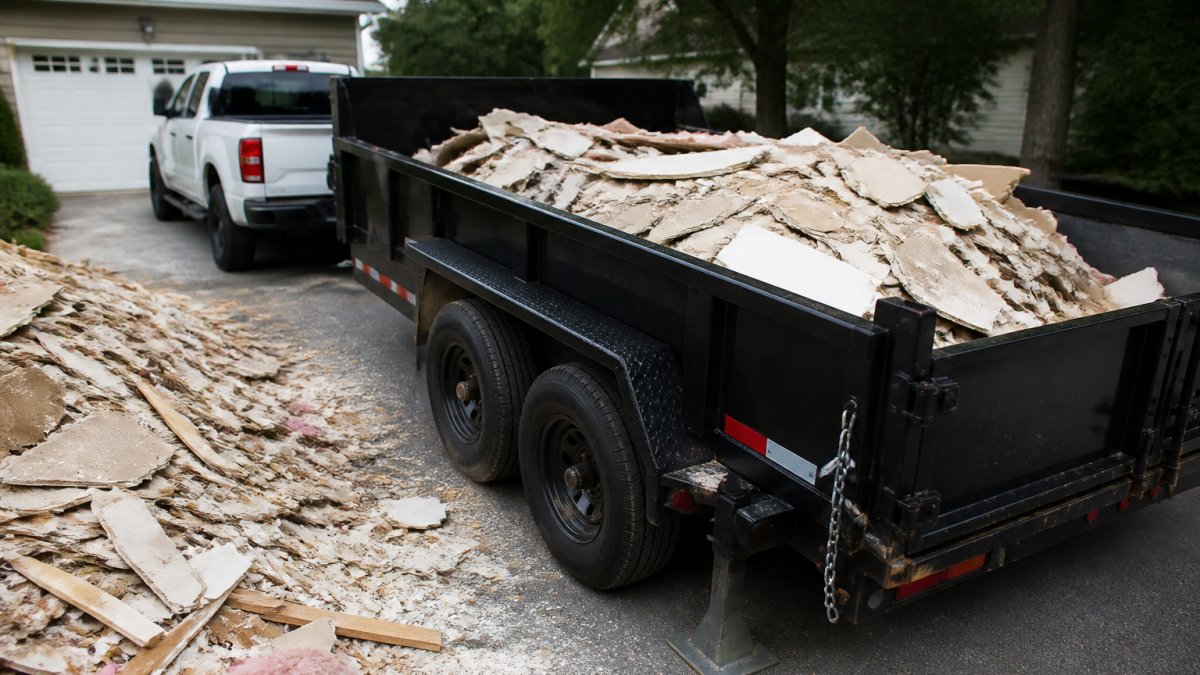
| Drywall (gypsum) | Drywall recycling facility or clean-fill processor | Keep dry and free of framing, tile, and insulation | Wet or moldy drywall; drywall with tile or adhesive attached |
| Roofing shingles (asphalt) | Shingle recycling facility (often used in road base) | Separate from underlayment, nails, and flashing | Shingles with asbestos-containing material in older roofs |
| Metals (ferrous and non-ferrous) | Scrap metal recycler | Separate steel from aluminum, copper, and brass; remove attached wood or plastic | Sealed containers, tanks, or items with residual fuel |
| Concrete, brick, block | Concrete recycling facility or clean-fill site | Remove rebar and wood; keep clean and uncontaminated | Concrete with paint, sealant, or mixed debris |
| Asphalt pavement | Asphalt recycling plant | Keep free of soil and concrete | Asphalt mixed with soil or demolition debris |
| Insulation (fiberglass, mineral wool) | Landfill or specialized insulation recycler where available | Bag separately to prevent scattering | Asbestos-containing insulation (requires licensed handler) |
| Cardboard and paper | Curbside or drop-off recycling | Flatten and keep dry | Wet, greasy, or paint-contaminated cardboard |
| Plastics and vinyl (pipe, siding) | Limited recycling; usually landfill | Remove metal fittings | PVC with solvent cement or mixed materials |
| Hazardous materials (asbestos, lead paint, solvents, treated wood) | Licensed hazardous waste handler | Do not mix with general debris; follow generator requirements | Any hazardous material in a general load |
How to sort without wasting time. Start with the materials that dominate your pile.
Why separation changes the economics. Heavy materials such as concrete, brick, and asphalt drive up disposal costs in mixed loads because facilities often charge by weight.
Reuse before recycling. Undamaged lumber, doors, windows, fixtures, and hardware can often be donated or resold through salvage yards and nonprofit building-material stores.
Donating Salvageable Materials and Reducing Waste
Before you dispose of anything, check whether it has a second life. Undamaged flooring, lumber, doors, windows, fixtures, and building materials can often be resold or donated.
Donating or reselling materials reduces the volume you need to dispose of, lowering overall disposal costs.
Start with a simple audit: set aside anything clean, undamaged, and potentially useful. Post photos on community resale platforms or call local salvage operations and nonprofits to see what they want. The rest goes to your disposal method of choice.
Understanding Construction Waste Disposal Costs
Disposal costs are driven by four variables: volume, weight, distance, and labor. Quotes combine them differently by method, which is why two providers can quote very different totals for the same pile. Understanding the mechanics lets you compare options on equal terms.
Volume versus weight. Light debris such as wood framing, cardboard, and insulation fills a container long before it hits a weight limit.
Typical cost drivers by method.
- Roll-off dumpster rental: Base rate covers delivery, pickup, a rental period (commonly three to seven days), and a weight allowance. Overage fees commonly run $50 to $150 per ton above the allowance. Extra days, blocked access, and prohibited materials can add charges.
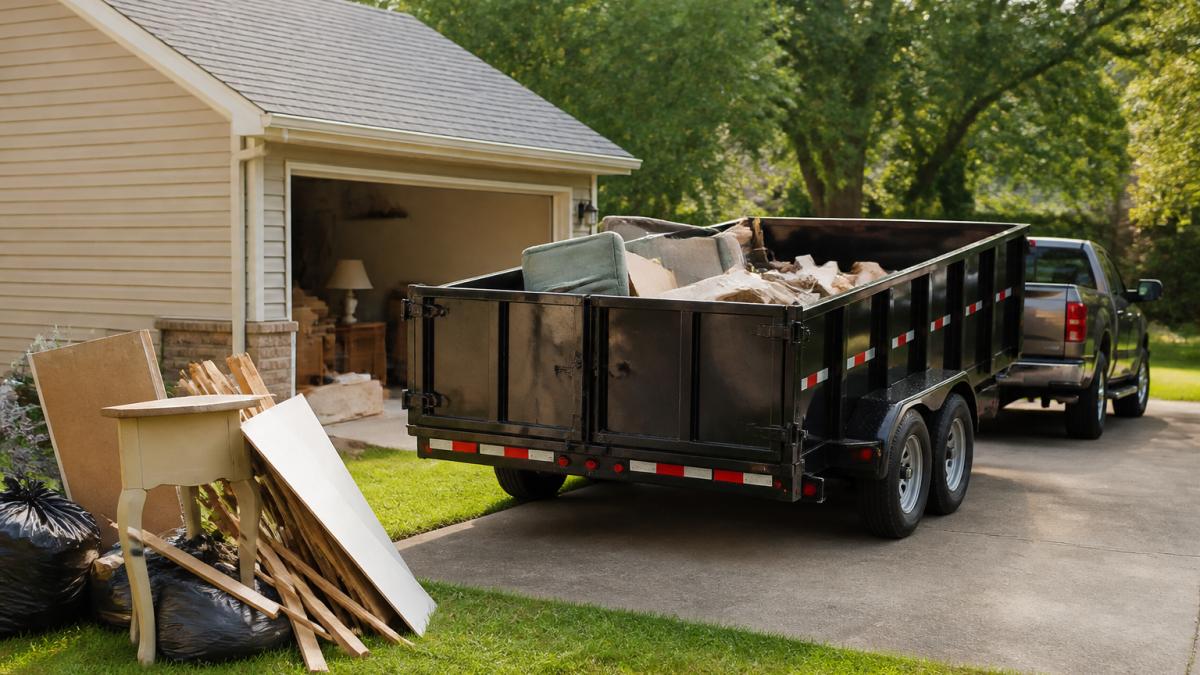
- Dump trailer rental: Often priced as a flat rental with a loading window and an included weight allowance. Because you tow or load at your own pace, labor is yours, which can lower the total for smaller projects.
- Drop-off and transfer stations: Priced per ton or per load at the gate. Lower per-ton fees than rental containers, but you supply the vehicle, fuel, and labor for every trip.
- Full-service junk removal: Priced by volume (often fractions of the truck) or by weight, with labor included. Highest per-ton cost, but no loading or sorting work on your side.
- Donation and salvage: Often free or revenue-positive for clean, reusable materials, but requires coordination and transport.
Distance and access. Delivery distance and site access affect every container-based option.
Labor as a hidden cost. Hauling debris yourself saves per-ton fees but costs time, fuel, and vehicle wear.
Hazardous and regulated materials. Asbestos, lead-painted materials, solvents, refrigerants, and treated wood carry separate handling requirements and costs. They cannot go in standard containers and usually require a licensed handler.
Pricing depends on quantity, dates, and delivery, so contact providers directly for current quotes. Fill and Dump Trailers includes the first ton of waste disposal in every rental, which covers many household cleanout projects. Learn how to anchor text so you can estimate whether you will stay within that allowance or need to budget for additional disposal fees.
Choosing the Right Disposal Method for Your Project
The best way to dispose of construction debris depends on your situation. Ask: How much debris are you generating?
For most homeowners, a dump trailer rental offers a balance of cost, convenience, and flexibility.
For situations where you cannot physically load a trailer, a full-service junk removal company makes sense. They handle loading, hauling, and sorting, saving time and labor.
For projects where material recovery matters, prioritize salvage and recycling. Compare your options by reading about dump trailer vs roll-off dumpster to select the best method for your needs.
Verify local regulations before finalizing your disposal plan. Some jurisdictions restrict certain materials from landfills or require hazardous waste to go through certified handlers. EPA case studies document successful construction and demolition debris management projects across different project types and scales.
Choosing how to dispose of construction debris doesn't have to be complicated. Assess your volume and material types, then match them against your timeline and budget.
Frequently Asked Questions
What is the best way to dispose of construction debris?
The best way to dispose of construction debris depends on the project size, material type, and your budget. Start by sorting materials into recyclable and non-recyclable categories. For large projects, a dump trailer rental offers convenient on-site loading over several days. For smaller jobs, drop-off sites or junk removal services work well. Always prioritize recycling and donation before sending materials to landfills. Check local regulations, as some jurisdictions restrict certain materials from landfills.
Can construction debris be recycled?
Yes, much construction debris can be recycled. Concrete, asphalt, wood, metal, brick, and stone are commonly accepted at recycling facilities. Many areas operate designated construction and demolition recycling centers that separate materials for reuse. Recycling reduces landfill waste and often costs less than general disposal. Contact your local waste management authority or recycling facility to confirm which materials they accept and whether they offer drop-off or pickup services.
What is the difference between a construction dumpster rental and a junk removal service?
A construction dumpster rental provides a container delivered to your site that you load yourself over a set period, typically three days. You pay for the rental and disposal when the dumpster is picked up. Junk removal services send a crew to haul away debris for you, eliminating the need for manual loading. Dumpster rentals suit DIY projects and give you flexible loading time, while removal services are better if you lack the physical ability or time to load heavy items yourself.
How much does construction waste disposal cost?
Construction waste disposal costs vary widely based on the amount of debris, material type, location, and disposal method chosen. Dumpster rentals typically charge a rental fee plus disposal charges. Drop-off sites may charge by weight or volume. Junk removal services charge based on the volume of items hauled. Many rental services, such as dump trailer options, include the first ton of disposal in the rental price, with additional tons charged separately. Request quotes from multiple providers to compare pricing for your specific project needs.
What materials from construction projects can be reused or donated?
Many construction materials can be reused or donated, including undamaged lumber, flooring, doors, windows, fixtures, and hardware. Brick, stone, and concrete blocks are valuable for landscaping or other projects. Metal from frames, pipes, and fixtures has scrap value. Appliances, cabinets, and trim work can often be donated to habitat restoration organizations or salvage shops. Check with local nonprofits, building material exchanges, and salvage yards before discarding. Donating or reselling materials reduces disposal costs and keeps usable items out of landfills.
How do I prepare construction debris for disposal or recycling?
Start by sorting debris into categories: wood, metal, concrete, asphalt, brick, and mixed waste. Separate hazardous materials like asbestos, lead paint, or treated wood, which require special handling. Remove nails, screws, and fasteners from lumber to prevent damage to equipment. Stack materials neatly to maximize space efficiency in your trailer or dumpster. Check with your disposal provider about prohibited items, such as electronics, batteries, or liquids. Proper sorting speeds up recycling and may reduce disposal fees by diverting recyclables from landfill charges.
Are there regulations or permits required for construction debris disposal?
Regulations vary by location and project type. Most jurisdictions require that construction debris be disposed of at authorized facilities, not dumped illegally. Some areas mandate waste audits or diversion reporting for large projects. Hazardous materials like asbestos or lead paint have strict disposal requirements enforced by environmental agencies. Check with your local building department or environmental protection agency before starting your project. Permits may be required for dumpster placement on public property. Following regulations avoids fines and ensures safe, legal disposal.