 how-to
What's Included in Dump Trailer Rental
Table of Contents
- What Is Included in a Dump Trailer Rental
- What Can You Put in a Dump Trailer
- Dump Trailer Rental Period: How Long Can You Keep It
- Understanding Dump Trailer Rental Cost
- Dump Trailer Rental Checklist: Before You Load
- Driveway Safety and Trailer Placement
- Conclusion
- Frequently Asked Questions
Last Updated: October 6, 2026
What Is Included in a Dump Trailer Rental
When you rent a dump trailer from Fill and Dump Trailers, you get more than an empty bin. Our 12-yard dump trailer rental includes essential equipment, delivery, and a flexible loading window.
A dump trailer rental is a complete waste removal solution that arrives at your location, stays for a set period, and gets picked up once you've finished loading. Most rentals include the trailer, delivery, placement on your driveway, and pickup. The first ton of waste disposal is included in every Fill and Dump Trailers rental, covering most household cleanouts without surprise costs.
Here's what comes standard with a dump trailer rental:
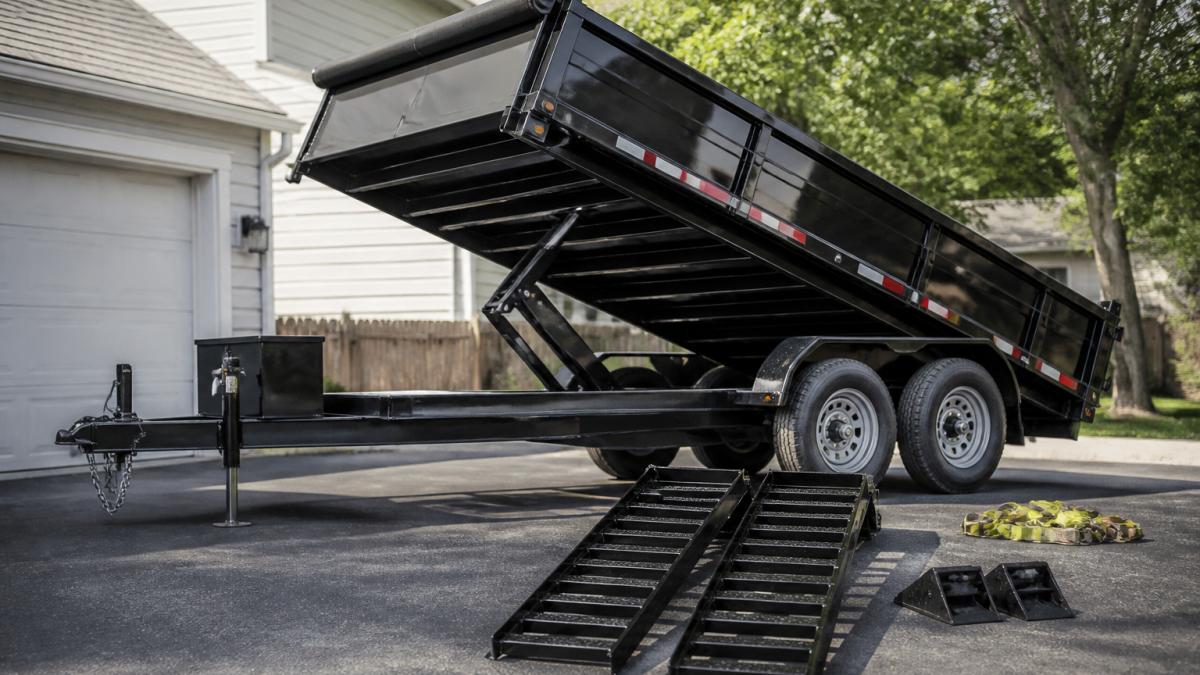
Standard Equipment and Safety Gear
Your rental includes everything needed to load and secure waste safely. Loading ramps let you slide heavy items in.
Tie-down straps and ratchets secure loose materials so nothing shifts during transport. Wheel chocks prevent rolling on an incline.
Delivery, Placement, and Pickup Service
Fill and Dump Trailers handles the heavy logistics. We deliver your trailer to your driveway, position it on a stable, level surface to avoid damage, and schedule a pickup time that works for you once your three-day loading window ends.
Curbside pickup is available if you can't load the trailer yourself. Our crew collects items from your curb and loads them for you.
What Can You Put in a Dump Trailer
Not everything can go in a dump trailer, but most household and construction waste is acceptable. Knowing what's allowed prevents delays.
Acceptable Materials for Most Rentals
Common items that go in dump trailers include:
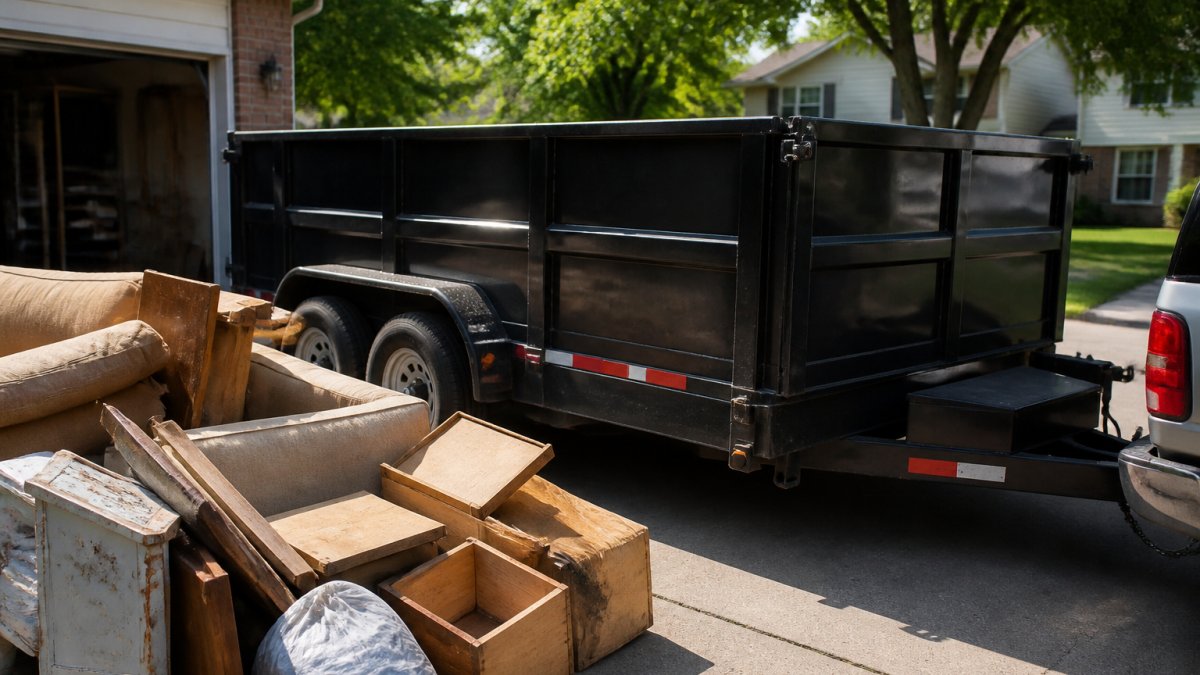
- Furniture, mattresses, and upholstered items
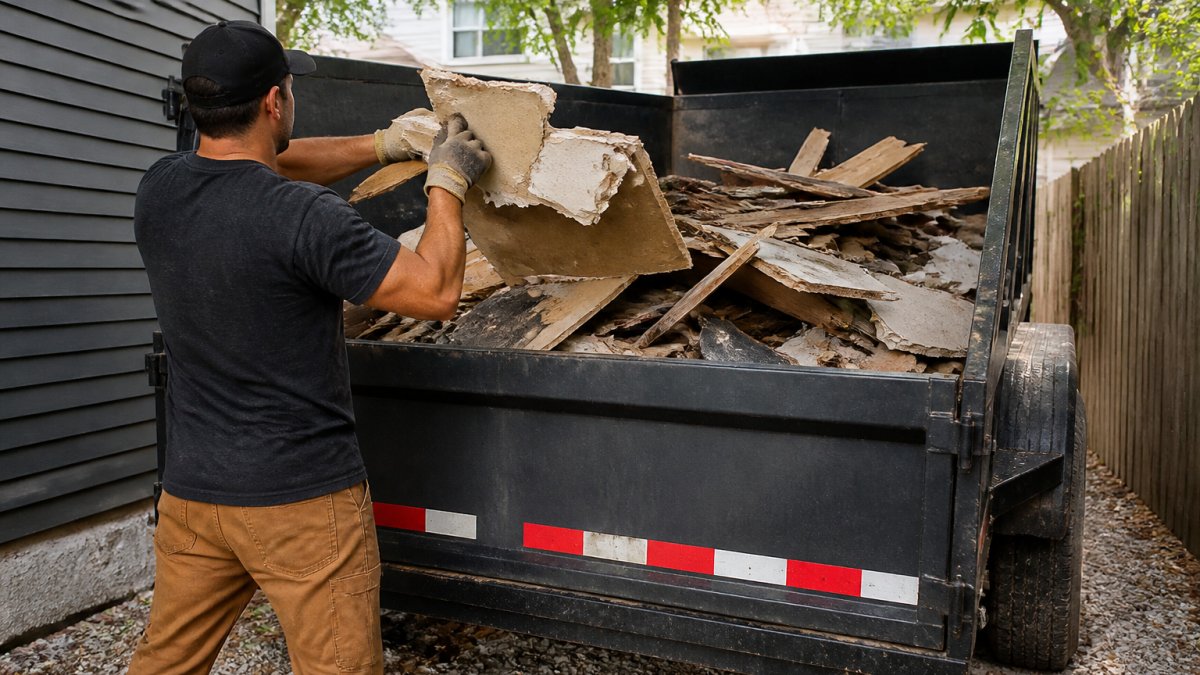
- Drywall, wood framing, and construction scrap
- Roofing materials and shingles
- Appliances without refrigerant (refrigerators and air conditioners require special handling)
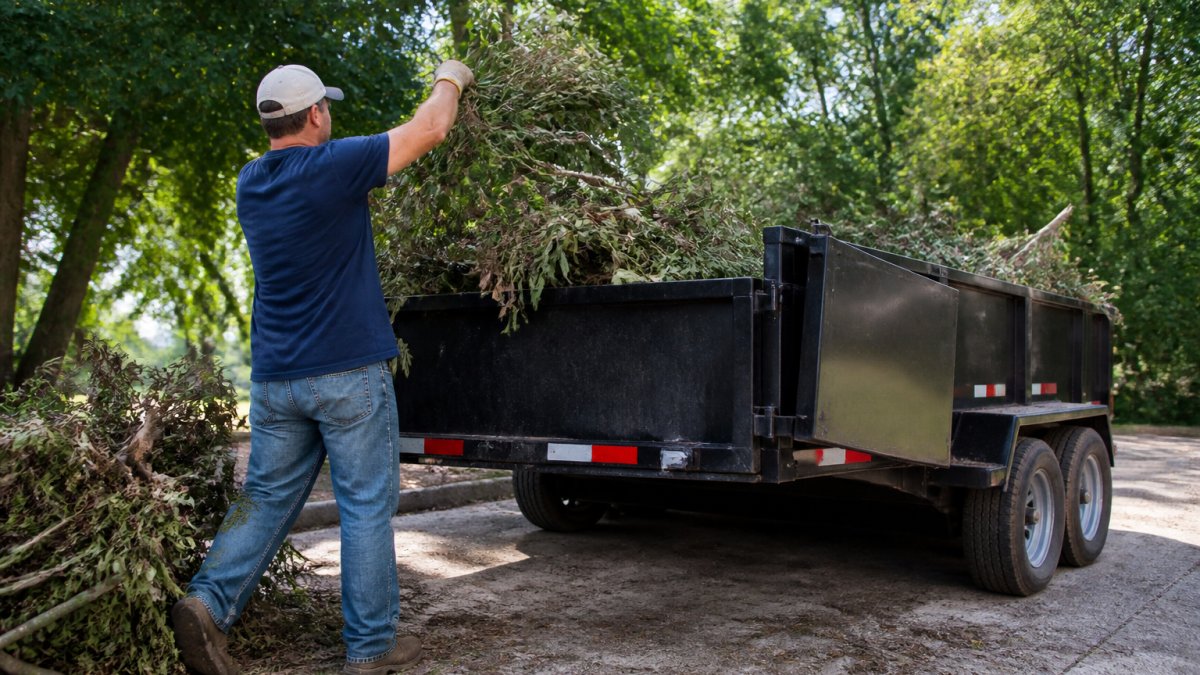
- Yard waste, branches, and landscaping debris
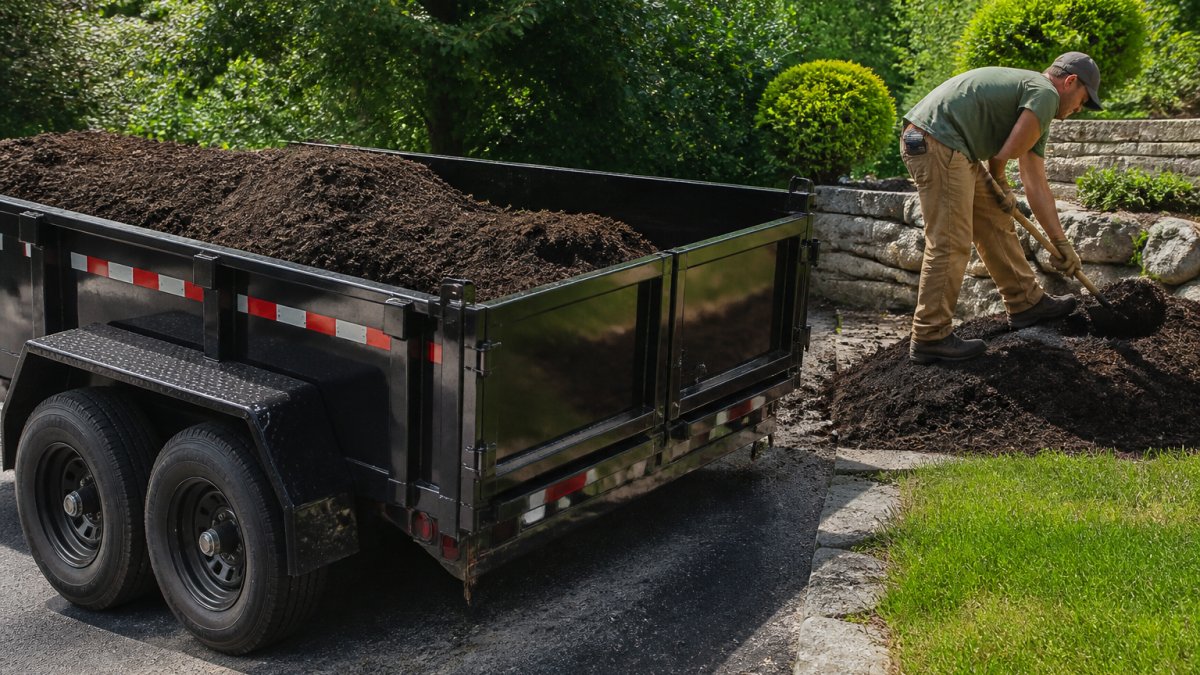
- Dirt, gravel, and soil
- Concrete chunks and broken asphalt
- General household junk from attic, garage, and basement cleanouts
- Demolition debris from renovation projects
Most dump trailer rental services accept these materials because they're processed at standard waste facilities. Items must fit through the trailer opening and stay within weight limits.
Items Typically Not Accepted
Certain materials cannot go in standard dump trailers because they require specialized disposal or create safety hazards:
- Hazardous materials: paint, pesticides, batteries, propane tanks, oil, and chemicals
- Tires (many facilities charge extra or refuse them entirely)
- Electronics: televisions, computers, and monitors
- Refrigerators and air conditioning units (contain refrigerant that must be recovered) (the EPA)
- Medical waste and sharps
- Asbestos-containing materials
- Radioactive or biological waste
Always confirm what's allowed before loading. Fill and Dump Trailers can advise on specific items if you're unsure.
Dump Trailer Rental Period: How Long Can You Keep It
Most dump trailer rentals give you a three-day loading window, enough for most household cleanouts and renovation projects. But delivery, loading, and pickup each have their own scheduling rules, and understanding all three prevents late fees and missed pickups.
Standard Loading Window and Extensions
Three days means 72 hours from delivery to finish loading, which covers most attic and garage cleanouts, single-room renovation debris, seasonal yard waste removal, and basement decluttering.
If you need more time, extensions are available. Ask about extension costs upfront so there are no surprises at pickup.
Delivery Scheduling and Placement
Delivery is usually scheduled in an arrival window. You or another adult typically need to be present to sign the drop-off paperwork and confirm placement.
The driver positions the trailer on a stable, level surface. If your driveway is sloped, narrow, or has low overhead clearance, tell the dispatcher when you book.
Pickup, Return, and What Happens If You Finish Early
Pickup is scheduled separately from delivery. Most providers require you to call or book pickup once you're done loading.
If you finish early, you have two options:
- Call for early pickup
- Keep the trailer for the remainder of the window
If you run past your window, expect a daily late fee.
Return Condition and Deposit Release
At pickup, the driver inspects for damage, missing accessories, and excessive debris.
To avoid deductions:
- Confirm ramps, tie-down straps, chocks, and the spare tire are on the trailer.
Understanding Dump Trailer Rental Cost
Dump trailer rental pricing depends on several factors, and the advertised rate is rarely the final number. Fill and Dump Trailers includes the first ton of waste disposal in every rental, but a complete cost picture means knowing every line item that can appear on your invoice.
The Full Cost Stack: What You're Actually Paying For
A dump trailer rental invoice can include several distinct line items. Ask any provider to confirm which of these apply before you book:
- Base rental fee, covers the trailer itself for the standard rental period (often 3-7 days, depending on provider).
- Delivery and pickup, sometimes bundled into the base fee, sometimes charged per trip. Distance from the yard matters; many providers use a free-delivery radius (commonly 10-20 miles) and then add a per-mile surcharge beyond it.
- Disposal / tonnage allowance, the weight of debris included in the base price. A common industry allowance is 1-2 tons; anything over that is billed per ton at the landfill's gate rate.
- Refundable security deposit, typically charged on a credit card at booking and released after the trailer is returned clean and undamaged. Deposit amounts vary widely by provider and trailer size.
- Sales tax, applies to the rental fee in most states; disposal fees may be taxed separately or not at all depending on local rules.
- Environmental or fuel surcharge, some providers add a small per-rental or per-ton fee to cover landfill tipping fees and fuel costs. This is legal in most states as long as it's disclosed.
- Optional services, curbside loading, extra loading days, tarp service, or after-hours drop-off.
Base Rental Fee and What It Covers
The base fee covers the trailer, the standard rental period, placement on your driveway, pickup, and the first ton of waste disposal. It doesn't change based on what you load, as long as you stay within the included disposal weight.
Overage, Extensions, and Surcharges
Going over the included ton triggers additional disposal fees, usually billed per ton at the facility's posted rate. Confirm the overage rate in writing.
Extension days add a daily charge. Delivery outside the free zone adds a per-mile surcharge, and curbside loading is almost always an add-on.
Deposits, Taxes, and How to Avoid Surprise Charges
A refundable security deposit is standard, protecting the provider against late returns, damage, missing accessories, and excessive cleaning. To get it back in full:
- Return the trailer by the agreed time.
- Sweep out loose debris.
- Confirm ramps, straps, chocks, and the spare tire are on the trailer.
Sales tax applies to the rental portion; disposal fees are sometimes taxed depending on how the state classifies waste services. The provider should show tax as a separate line.
Always ask for a complete breakdown of potential charges before signing. Fill and Dump Trailers provides transparent pricing so you know what to expect.
Dump Trailer Rental Checklist: Before You Load
Preparation prevents problems. Use this checklist to prepare your property for safe loading.
Vehicle and Towing Requirements
Your driver's license must be valid. Most states don't require a special license to tow a dump trailer, but some do above certain combined-weight thresholds, check your state's rules.
Load Planning and Weight Considerations
Calculate your load weight before filling the trailer, one ton equals 2,000 pounds, and exceeding it means extra disposal fees. Heavy items like soil, concrete, and appliances add up quickly.
Distribute weight evenly across the trailer bed, heavy items on one side create imbalance and make towing unsafe. Spread loads front to back and side to side.
Secure loose materials with the included tie-down straps. Use wheel chocks if the trailer will sit on an incline.
Don't exceed the trailer's height limits.
Driveway Safety and Trailer Placement
Your driveway needs to support the trailer's weight.
Older or damaged driveways may crack under this pressure. Tell Fill and Dump Trailers about driveway concerns before delivery.
Ensure clear access to your driveway. Remove parked cars, bicycles, and obstacles before delivery. The driver needs a straight path to position the trailer properly.
Check for overhead obstacles: power lines, tree branches, or roof overhangs. The trailer is tall and wide. Clearance issues can delay or prevent delivery.
Mark underground utilities before the trailer arrives.
Conclusion
A dump trailer rental simplifies large cleanup projects with delivery, flexible loading time, and hassle-free pickup in one affordable package. Fill and Dump Trailers delivers a 12-yard dump trailer to your driveway, gives you three days to load at your own pace, and includes the first ton of waste disposal so you know the cost upfront. Our driveway-safe trailers work for household cleanouts, renovation debris, landscaping waste, and demolition projects, and curbside pickup takes the physical strain out of loading. Get started with Fill and Dump Trailers and clear your space without managing multiple trips or vendors.
Frequently Asked Questions
What is included in a dump trailer rental?
A typical dump trailer rental includes the trailer itself, delivery and pickup service, loading ramps, tie-down straps, and wheel chocks. Most rentals cover the first ton of waste disposal. The trailer arrives ready to use with safety equipment. Check with your rental company about optional services like curbside pickup.
How long can you keep a dump trailer rental?
Most dump trailer rentals include a standard three-day loading period, allowing you to load at your own pace. If you need more time, extensions are typically available. The exact rental period and extension costs depend on your rental agreement. Contact your rental company to discuss your timeline before booking.
What can you put in a dump trailer?
You can haul most household items, construction debris, yard waste, dirt, gravel, demolition materials, and landscaping waste. Common loads include furniture, appliances, drywall, wood, metal, roofing materials, and general junk from cleanouts. However, hazardous materials, tires, and certain regulated items are typically not accepted. Always confirm what materials your rental company accepts before loading to avoid additional fees or refusal of the load.
How much does it cost to rent a dump trailer?
Dump trailer rental pricing depends on several factors including trailer size and rental duration. Most rentals include a base fee that covers delivery, pickup, and the first ton of disposal. Additional charges may apply for weight overage beyond the first ton, and optional services like curbside pickup. Request a quote from your rental provider for accurate pricing based on your specific project needs.