 comparison
7 Residential Dumpster Rental Alternatives That Save Money
Last Updated: November 1, 2026
Quick Summary
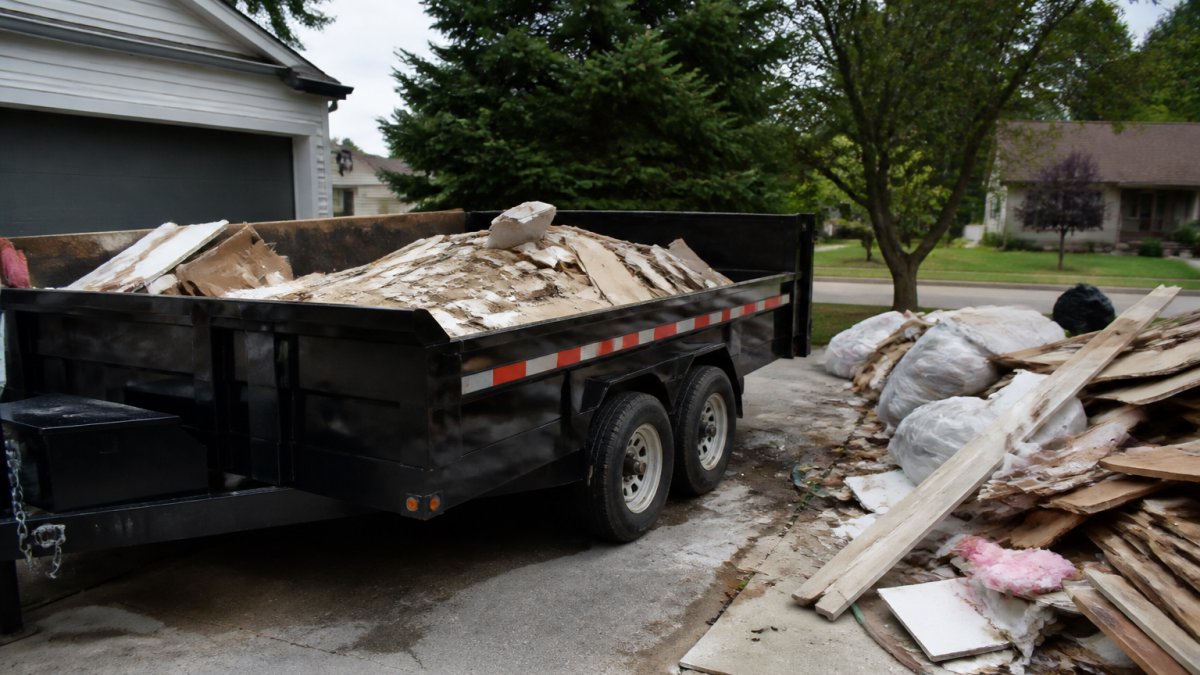
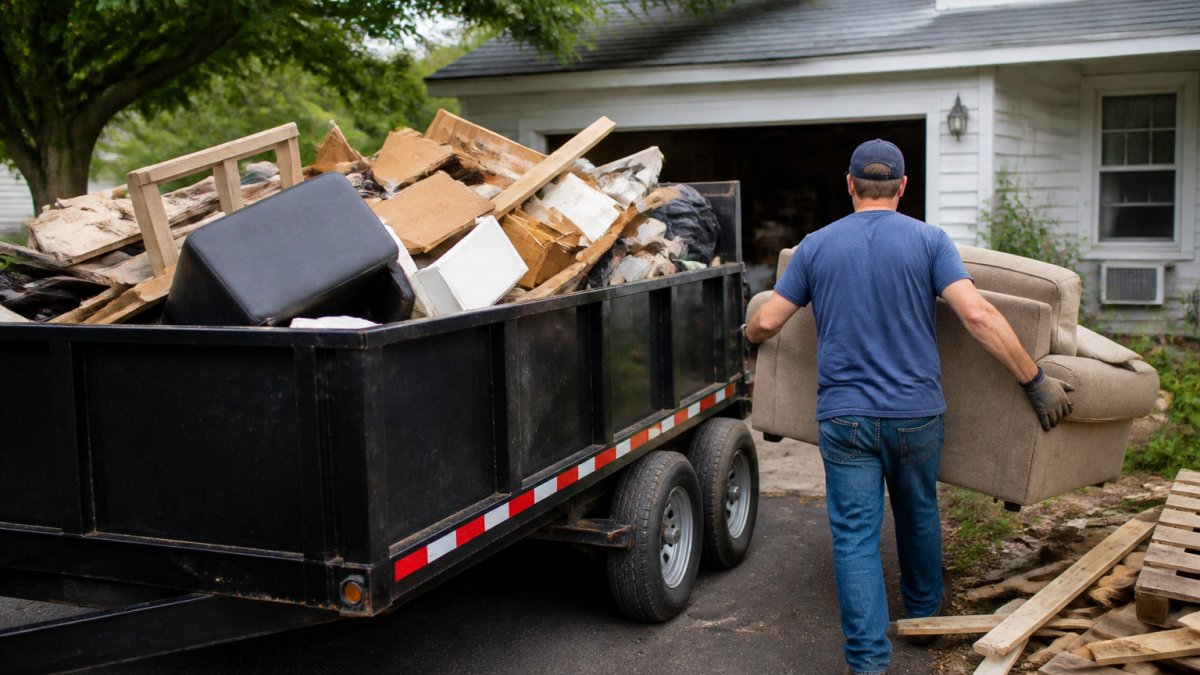
A residential dumpster rental is not your only option: seven alternatives include 12-yard dump trailers, self-hauled trailers, Bagster-style bags, junk removal services, municipal bulk pickup, and personal truck hauling. A 12-yard dump trailer rental includes three days of loading and the first ton of disposal, avoiding roll-off overage fees and rigid rental windows.
- Dumpster sizes run from roughly 8 to 40 yards, and the 20-yard container is most requested for household work.
- A 20-yard dumpster typically costs about $500 to $800, per Angi's 2026 dumpster cost guide.
- A 20-yard roll-off commonly includes 1 to 2 tons, with overage billed per ton above the allowance.
- Roll-off rental windows are often 7 to 14 days, and the clock usually starts at delivery, not first load.
- Size up only for light bulky loads; for heavy loads, size down and plan a second haul.
Table of Contents
- Why Homeowners Are Looking Beyond the Standard Residential Dumpster Rental
- Quick Comparison: Residential Dumpster Rental Alternatives at a Glance
- Dump Trailer vs. Dumpster: Which Fits a Home Project Better?
- Dumpster Rental Sizes and What Each One Actually Holds
- Residential Dumpster Rental Cost: What Drives the Quote
- Matching a Dumpster Rental for Home Cleanout Projects to Your Mess
- Placement, Permits, and Protecting Your Driveway
- Request a 12-Yard Dump Trailer and Skip the Roll-Off Hassle
- Frequently Asked Questions
Why Homeowners Are Looking Beyond the Standard Residential Dumpster Rental
The residential dumpster rental market is growing, but that growth hasn't made it simpler to book one. According to IBISWorld's 2026 industry analysis, U.S. dumpster rental revenue is projected to reach $664.8 million by the end of 2026, a 2.4% compound annual growth rate. That's a lot of steel boxes sitting in driveways.
Here's the tension most guides ignore: a roll-off dumpster solves one problem (volume) and creates three others (driveway damage, rigid rental windows, and weight overage fees). At Fill and Dump Trailers, we hear the same questions from homeowners week after week. Will this crack my driveway? What if I can't finish in the rental window? What happens when I go over the included tonnage?
Below, we break down seven alternatives to a standard residential dumpster rental and which projects each fits. The goal isn't to talk you out of a roll-off. It's to make sure you're not paying for one when a smaller, more flexible option would do the job.
Quick Comparison: Residential Dumpster Rental Alternatives at a Glance
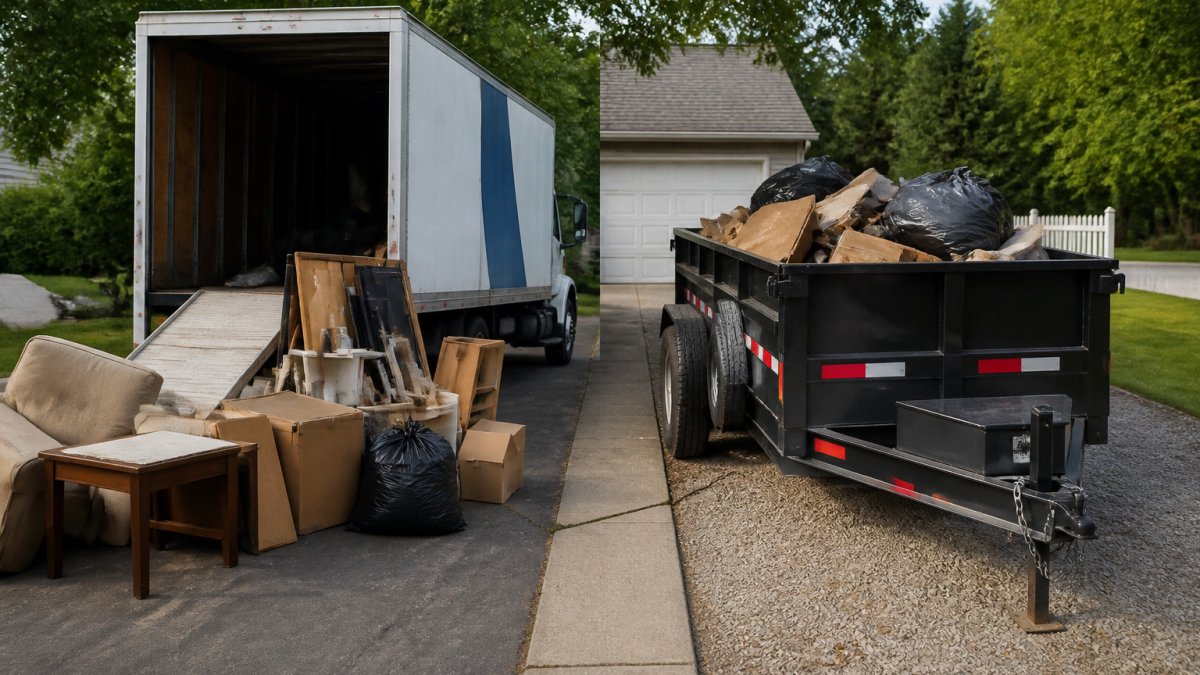
Seven options compete for your debris, and they differ mainly in who does the loading, how long you keep the container, and how weight is billed. For a deeper rundown, read dumpster alternatives for home renovation. Here's the short version:
| Option | Best For | Loading Window | Weight Billing |
|---|---|---|---|
| 12-yard dump trailer rental | Garage, attic, basement cleanouts | 3 days | First ton included |
| Roll-off dumpster | Large renovation debris | 7-14 days typical | Tonnage allowance, overage per ton |
| Dump trailer (self-hauled) | Small loads, tight budgets | Your schedule | Weighed at disposal site |
| Bagster-style bag | Small bathroom remodels | Weeks, at your pace | Pay-per-bag |
| Junk removal service | No-labor households | Scheduled pickup | Flat, volume-based quote |
| Curbside or municipal bulk pickup | Minimal household clutter | Fixed pickup date | Usually free or low fee |
| Hauling by personal truck or trailer | One-off small loads | Your schedule | Disposal fees only |
Dump Trailer vs. Dumpster: Which Fits a Home Project Better?
A dump trailer can suit home cleanouts where you load at your own pace, and it can be towed away when you're done. For a direct head-to-head, see dump trailer vs roll-off dumpster.
Dumpster Rental Sizes and What Each One Actually Holds
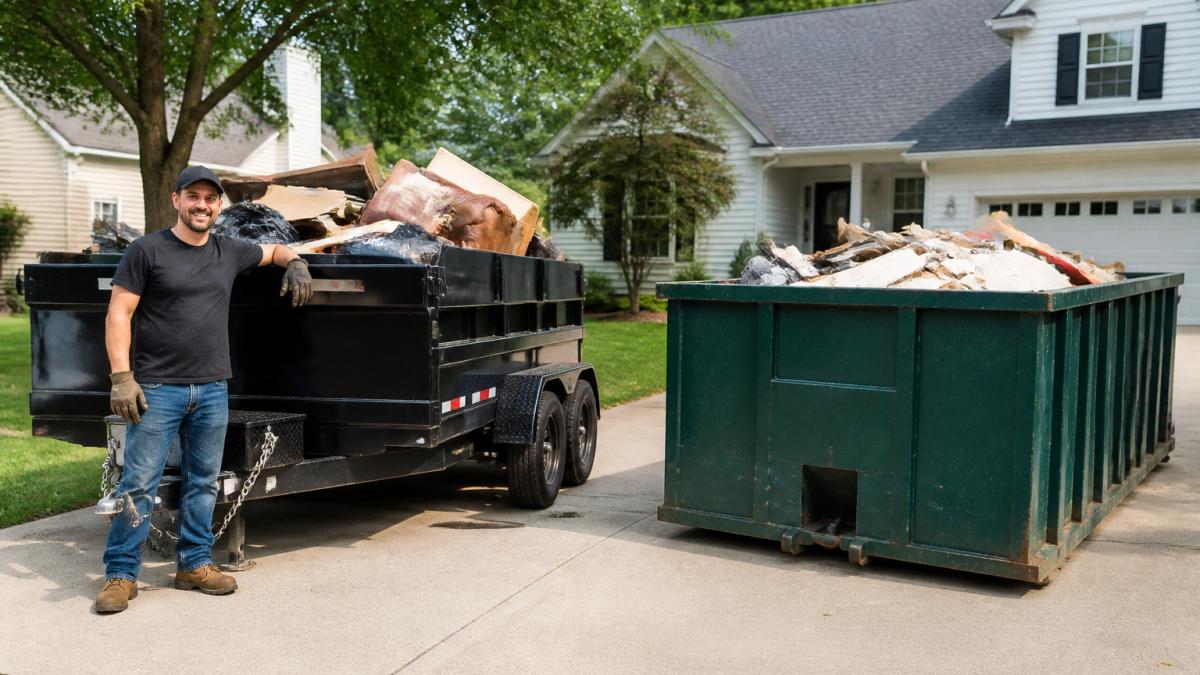
Dumpster rental sizes run from roughly 8 to 40 yards, and the 20-yard container is the most requested size for household work. According to Angi's 2026 dumpster cost guide, a 20-yard dumpster typically runs about $500 to $800.
What each size realistically holds:
Project-to-container decision guide
Use the project, not the room count, to pick a size. These are common patterns, not rules:
- Single bathroom remodel (tile, vanity, toilet, tub): 8 to 10 yard, and expect the weight to be the constraint if the tile and tub are dense.
- Kitchen remodel (cabinets, countertops, flooring, appliances): 15 to 20 yard. Separate appliances for special handling.
- One-car garage cleanout (boxes, furniture, shelving): 12 yard if the load is light and bulky; step up to 15 if appliances are included.
- Attic or basement purge (clothing, boxes, old furniture): 12 to 15 yard, sized by volume because the material is light.
- Whole-house declutter before a move: 20 yard, or two 12-yard units staged over time if the project runs in phases.
- Deck removal (lumber, railings, footings): 12 to 15 yard; concrete footings add weight fast.
- Roofing tear-off (shingles): 20 to 30 yard, and confirm the included tonnage, shingles are heavy and overage is common.
- Concrete, dirt, or brick: a small unit sized by weight, not a large unit sized by volume. Ask about a heavy-material rate before booking.
How to size by weight, not just volume
A cubic yard of household clutter and a cubic yard of concrete do not weigh the same. Before you book, estimate the heaviest material in the load and compare it to the included tonnage. If the heavy material is a small fraction of the total, separate it into its own pile or unit so it doesn't drag the whole load into overage.
For a full walkthrough of a garage-specific project, see our guide to renting a dump trailer for garage cleanout.
Residential Dumpster Rental Cost: What Drives the Quote
Pricing depends on quantity, dates, and delivery. If cost is the deciding factor, see this guide to affordable dump trailer rentals. For current prices or a quote, visit the Fill and Dump Trailers website.
A real-world benchmark: a 20-yard rental quote came in at $510 in Charlotte, North Carolina, in March 2026, per U.S. News & World Report's 2026 company rankings. That's a single quote, not a national average, which is exactly the point. Quotes swing widely by market, and the line items below are where they swing most.
The four line items in every quote
- Base container rate: the flat charge for the unit and the included rental window. This is the number advertised.
- Included weight allowance: usually stated in tons. A 20-yard roll-off commonly includes 1 to 2 tons; smaller units include less.
- Delivery and pickup: sometimes bundled, sometimes a separate round-trip charge, and often higher for long driveways, gate codes, or restricted access.
- Rental period: the standard window (often 7 to 14 days for a roll-off) before daily extension fees begin.
How the extra fees are actually calculated
- Overage charges: billed per ton above the included allowance, prorated to the nearest fraction of a ton at the disposal site's scale. If your unit includes 1 ton and you dispose of 2.4 tons, you pay overage on 1.4 tons. Heavy material, concrete, shingles, dirt, tile, is where overage hits hardest, because it fills by weight long before it fills by volume.
- Extra-day fees: a per-day charge applied after the included window closes. The mechanism matters: the clock usually starts at delivery, not at the first load, so a unit dropped on a Friday and filled the following weekend can burn days before you've thrown anything away.
- Delivery and pickup surcharges: triggered by distance from the hauler's yard, driveway length, low branches or wires, soft ground, or a placement that requires extra maneuvering. Ask for the all-in delivery figure, not the base rate.
- Prohibited-material fees: tires, mattresses, electronics, appliances with refrigerant, paint, and yard chemicals are commonly restricted or surcharged because they carry separate disposal costs. Confirm the accepted list before booking, not after the unit is full.
- Special-handling fees: some haulers charge extra for locked gates, unattended drop-offs, or re-delivery if the truck can't access the spot on the scheduled day.
A simple way to estimate your total
- Pick the container size from the debris type, not the square footage.
- Estimate the weight of the heaviest material in the load and compare it to the included allowance.
- Count the days you realistically need, then add a buffer for weather and scheduling.
- Ask for the delivery and pickup charges in writing, including any access surcharges.
- Confirm the prohibited-material list and the fee for each item you plan to dispose of.
Matching a Dumpster Rental for Home Cleanout Projects to Your Mess
For a full walkthrough of a garage-specific project, see our guide to renting a dump trailer for garage cleanout.
Placement, Permits, and Protecting Your Driveway
Placement decides whether your project runs smoothly or turns into a repair bill. Check with your local public works department before placing a container in the public right-of-way, as permit rules vary by jurisdiction.
Protecting the surface comes down to load distribution:
Request a 12-Yard Dump Trailer and Skip the Roll-Off Hassle
The right answer for most household cleanouts isn't the biggest container. It's the one you can fill at your own pace without worrying about the clock or the scale.
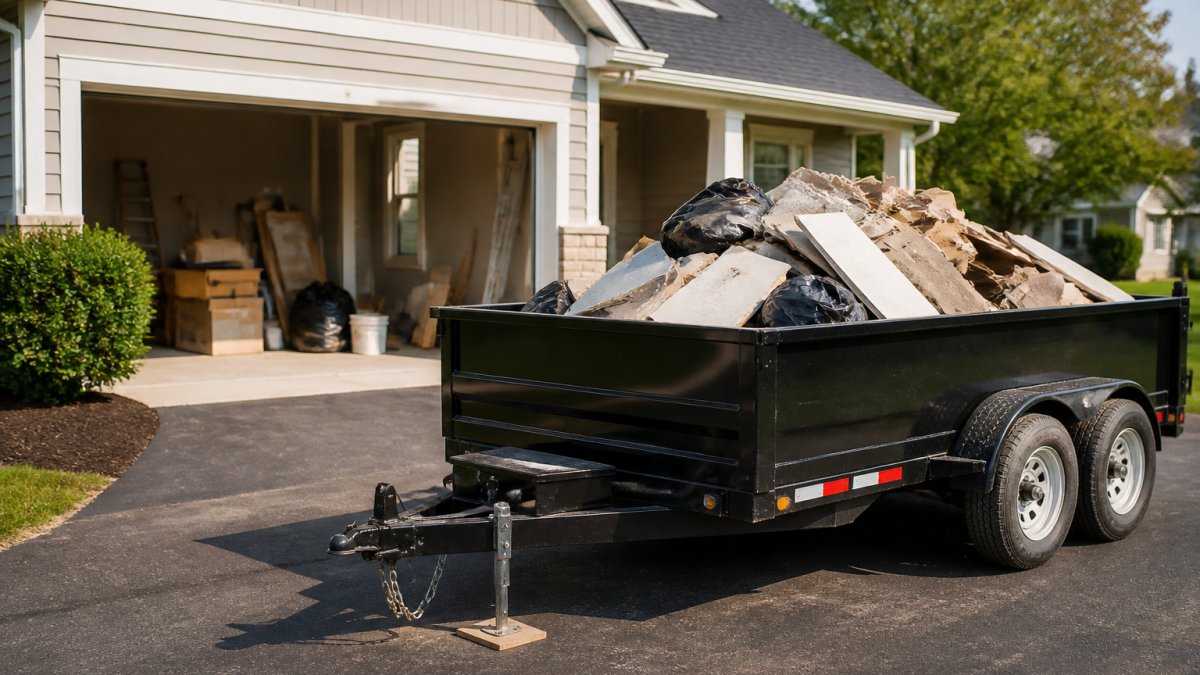
Fill and Dump Trailers rents driveway-safe 12-yard dump trailers with a three-day loading period, and every rental includes the first ton of waste disposal. We deliver, you load, and we handle professional pickup when you're done. Curbside pickup is available if loading isn't realistic for you, and we also rent car hauler trailers with or without a winch.
Get started with Fill and Dump Trailers and clear the garage, attic, or basement on a schedule that fits your week.
Frequently Asked Questions
What is the most common size dumpster rental?
A 12-yard dump trailer is a driveway-safe option for household cleanouts such as garage, attic, and basement projects.
Is a dump trailer or roll-off dumpster better for a residential cleanout?
Fill and Dump Trailers rents 12-yard dump trailers with a three-day loading window and includes the first ton of disposal, which suits attic, garage, and basement cleanouts where you cannot finish in one afternoon.
What can't I throw in a dumpster?
Ask before you book which items are accepted for your project, since restrictions can apply to the load.
How much waste can a 12-yard dump trailer hold?
A 12-yard trailer holds 12 cubic yards of volume. Fill and Dump Trailers includes the first ton of disposal in every rental, so ask how overweight loads are weighed and billed before you start loading dense debris.
Can a dumpster or dump trailer be placed in a driveway?
Yes, and Fill and Dump Trailers rents driveway-safe 12-yard dump trailers. Also confirm whether your city requires a right-of-way permit if the container sits near the street.