 how-to
Dump Trailer Rental for Property Managers: A Complete Guide
Table of Contents
- Why Property Managers Need Dump Trailer Rentals
- Dump Trailer Sizes and Capacities for Property Work
- Dump Trailer Rental Period and Loading Options
- Understanding Dump Trailer Rental Cost Factors
- Dump Trailer vs. Dumpster Rental: Which Works Better
- Common Property Management Use Cases
- Safety, Towing, and Licensing Requirements
- Planning Your Dump Trailer Rental: A Property Manager Workflow
- Frequently Asked Questions
Last Updated: October 21, 2026
Why Property Managers Need Dump Trailer Rentals
Property managers must dispose of debris efficiently without disrupting operations or straining budgets. Whether handling tenant turnover, renovations, or seasonal landscaping, waste accumulates quickly. A dump trailer rental gives you control over timing and disposal without coordinating with hauling services repeatedly.
The core advantage is flexibility. Unlike scheduled dumpster pickups or one-time junk removal, a dump trailer rental lets you load at your own pace over several days, useful when juggling multiple properties or tenant schedules.
At Fill and Dump Trailers, we offer flexible loading and straightforward pricing.
Dump Trailer Sizes and Capacities for Property Work
Selecting the right trailer size is where most property managers make their first mistake. Too small and you'll need a second rental; too large and you're paying for unused capacity. The most common size for property management work is the 12-yard dump trailer, which handles tenant cleanouts, minor renovations, and seasonal yard waste without being oversized for residential driveways.
Understanding Payload and Weight Limits
A 12-yard dump trailer holds about 12 cubic yards, but volume isn't the only constraint. Payload capacity, the maximum weight the trailer can safely carry, is where many property managers run into trouble.
Check the trailer's specifications before loading. Concrete, brick, and soil are dense and can max out weight limits before you fill the volume. If you're unsure, ask the rental company, most reputable providers, including Fill and Dump Trailers, will help you estimate whether your debris mix fits the trailer's capacity.
Matching Trailer Size to Your Project
For a typical tenant move-out with furniture, boxes, and household items, a 12-yard trailer is standard. Renovation projects involving drywall, flooring, or structural debris may need a larger trailer or two rentals.
Consider your project scope honestly. Clearing an entire basement and attic for a turnover usually fits a 12-yard trailer; debris from a full kitchen and bathroom renovation across multiple units might need 15 or 20 yards. The rental company can help you estimate from photos or a job description.
Dump Trailer Rental Period and Loading Options
Most dump trailer rentals operate on flexible loading windows. Fill and Dump Trailers provides a three-day loading period with each rental, giving you time to gather debris, organize your team, and load without rushing, useful when coordinating with contractors, tenants, or maintenance staff.
Flexible Loading Windows and Multi-Day Access
The three-day window aligns with typical project timelines: schedule delivery Monday morning, load Tuesday and Wednesday, and arrange pickup Thursday or Friday. If your project runs longer, many providers offer extended rental periods at reasonable rates, confirm pricing before committing.
Some property managers use the flexibility to coordinate multiple jobs, loading debris from one property on day one, then adding items from a second on day two. You're not locked into a single location or a tight pickup window.
Delivery and Pickup Scheduling
Reliable delivery and pickup are essential to property management workflows. The trailer must arrive when your team is ready to load, and pickup should happen promptly when you're finished.
Coordinate delivery with tenant move-outs or contractor schedules. If contractors are on-site, have them load debris directly into the trailer as they work, this keeps the property organized and reduces labor for your staff. Before pickup, make sure the area is clear and the trailer is accessible.
Understanding Dump Trailer Rental Cost Factors
Dump trailer rental pricing depends on several variables. The base rental covers the trailer, delivery, and pickup; disposal cost varies with the volume and weight of debris you dispose of.
What's Included in Your Rental
Most dump trailer rentals include the trailer, delivery, and a loading period. Fill and Dump Trailers includes the first ton of waste disposal in every rental, covering typical household cleanouts and landscaping projects.
Delivery to a driveway-safe location is standard. The trailer sits on residential driveways without causing damage, a key advantage over traditional dumpsters that require reinforced surfaces. Pickup is included once you notify the rental company that you're finished loading.
Overages and Disposal Fees
If your debris exceeds the included disposal allowance, you'll pay additional fees per ton. Honest project assessment matters here: clearing multiple units or managing a large renovation may exceed the included ton. Ask the rental company how they measure weight and what the overage rate is so you can plan accurately.
Fill and Dump Trailers can help you estimate whether your project fits the included allowance or if a second rental makes financial sense.
Dump Trailer vs. Dumpster Rental: Which Works Better
The choice between a dump trailer rental and a traditional dumpster depends on your property setup, project type, and budget.
Flexibility and Control
A dump trailer gives you control over when you load and when you're finished, no locked-in pickup schedule or paying for an idle dumpster. If your project extends or you find additional debris, you can keep loading without penalty during your rental period.
Dump trailers also work better where dumpsters can't be positioned safely. Narrow driveways, limited parking, or mature landscaping often don't accommodate a stationary dumpster; a dump trailer's temporary placement is less disruptive and needs less site preparation.
Space Requirements and Property Access
Dumpsters occupy a fixed footprint and can block parking or access for the rental duration. Dump trailers are removed after your loading period ends, freeing space immediately, significant for apartment complexes or properties with limited common areas.
Dumpsters work well for long-term projects or ongoing debris accumulation, during extended renovations, one might stay on-site for weeks. For discrete projects like tenant move-outs, seasonal cleanups, and renovation debris removal, a dump trailer rental is often more efficient and cost-effective.
Common Property Management Use Cases
Property managers use dump trailer rentals for predictable situations. Understanding how others handle these scenarios helps you plan your own strategy.
Tenant Move-Out Cleanouts
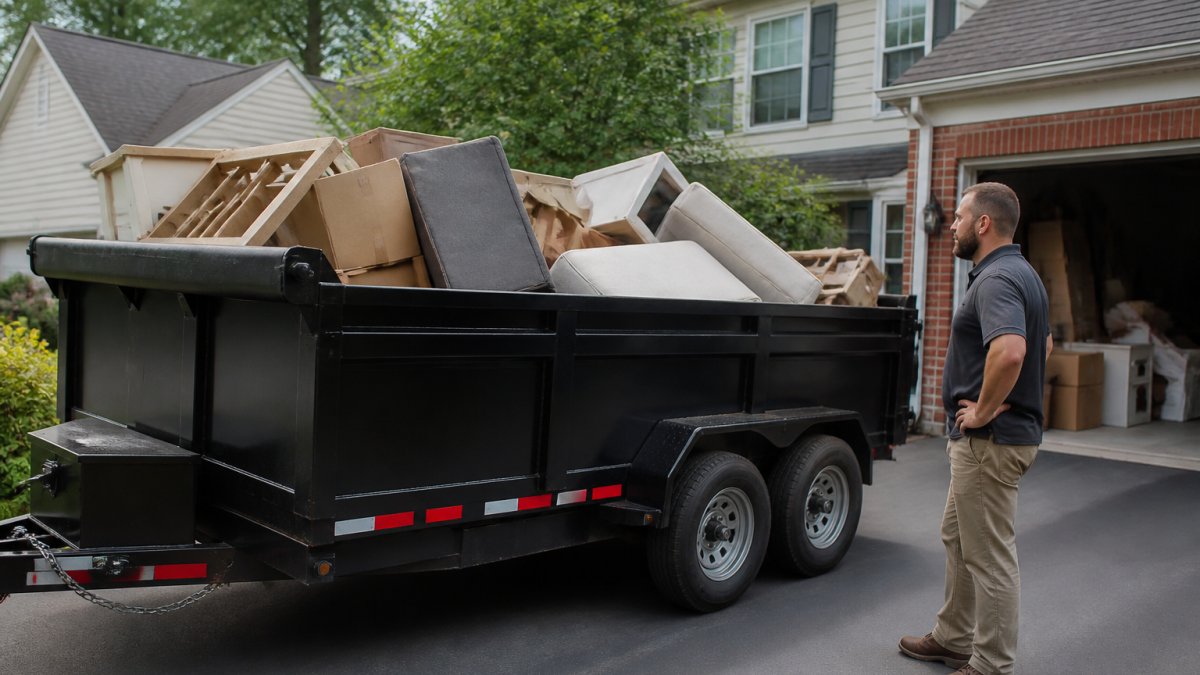
When a tenant moves out, you inherit their abandoned items, damaged furniture, and general clutter. A dump trailer rental simplifies the process. Schedule delivery for move-out day, load debris as you inspect the unit, and arrange pickup once the space is clear. Most tenant cleanouts fit comfortably in a 12-yard trailer, and the flexible loading period lets you coordinate with your maintenance team's schedule.
Renovation and Demolition Debris
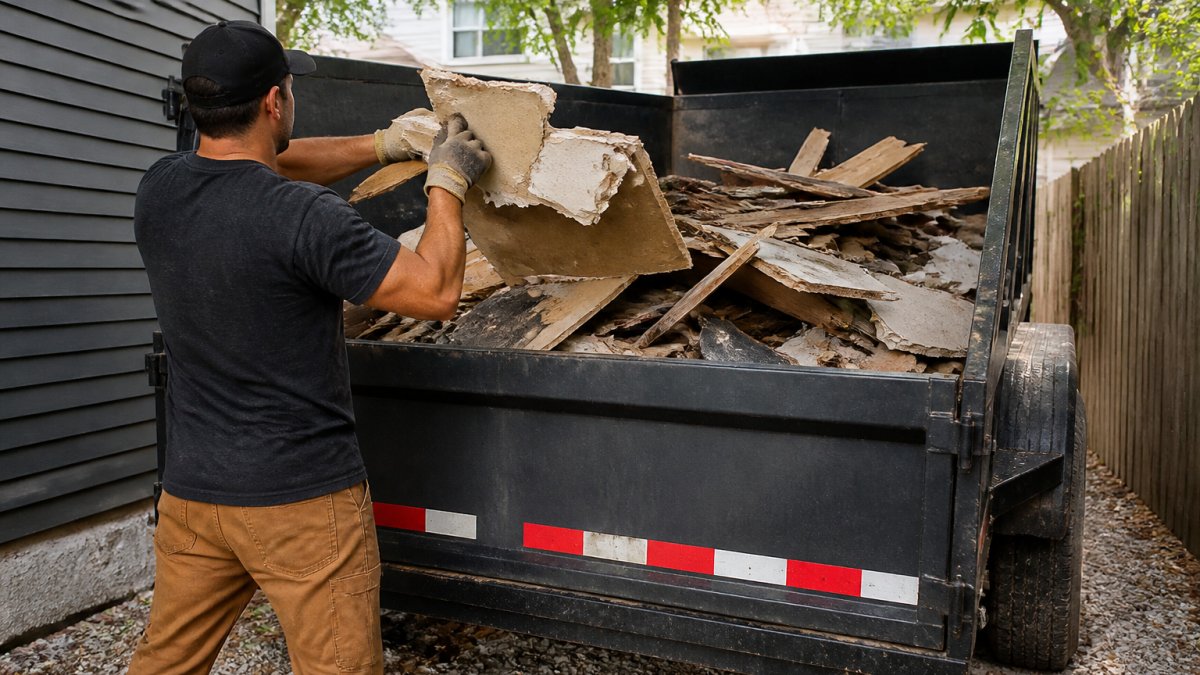
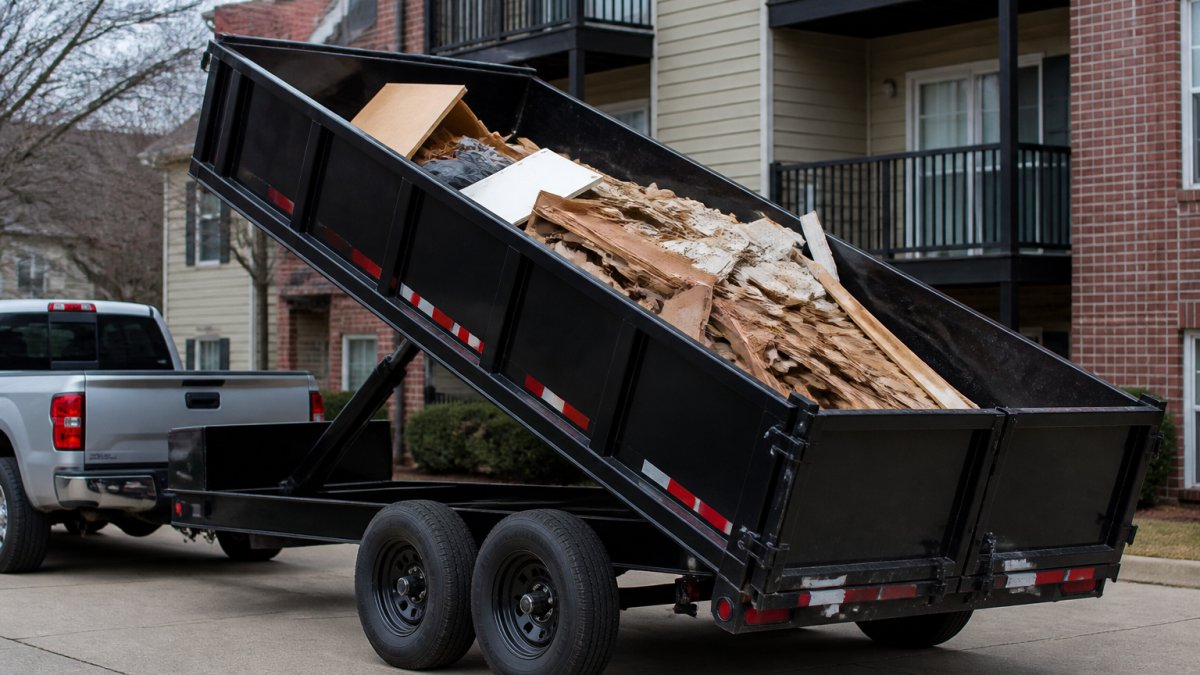
Bathroom remodels, kitchen updates, and structural repairs generate significant debris. Drywall, flooring materials, fixtures, and trim accumulate quickly. A dump trailer on-site lets contractors load debris directly as they work, keeping the job site organized and safe. Weight limits matter here because construction debris is dense. Confirm with the rental company that your renovation debris mix fits within the trailer's payload capacity.
Seasonal Landscaping and Yard Waste
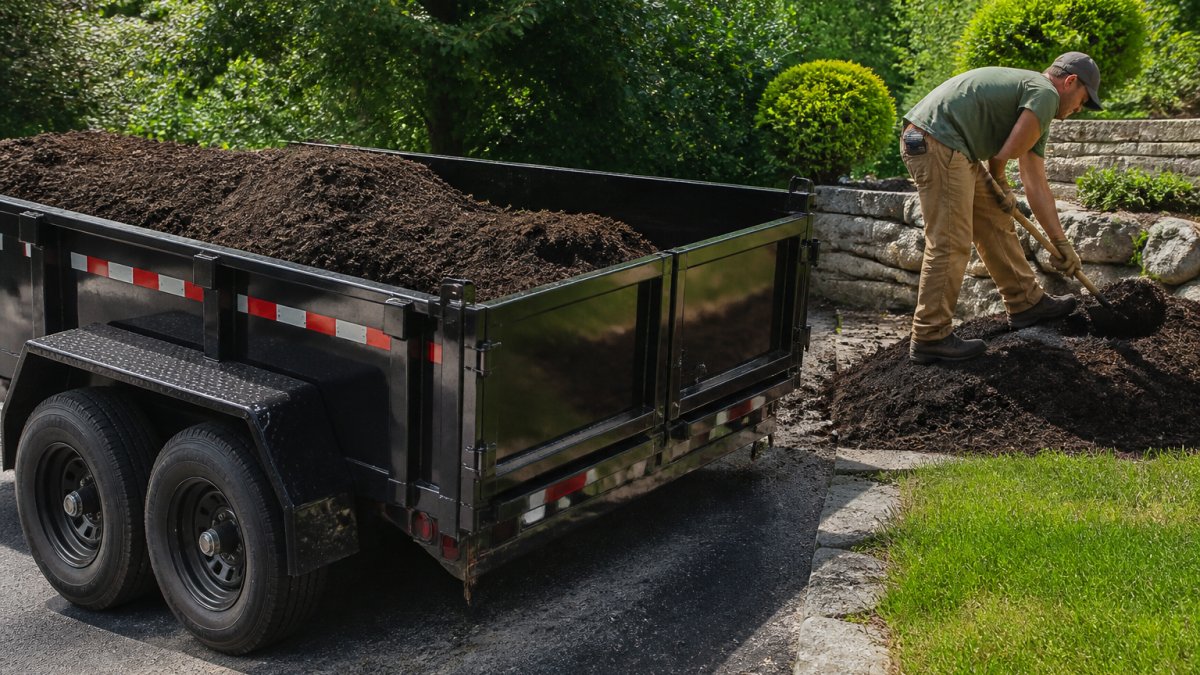
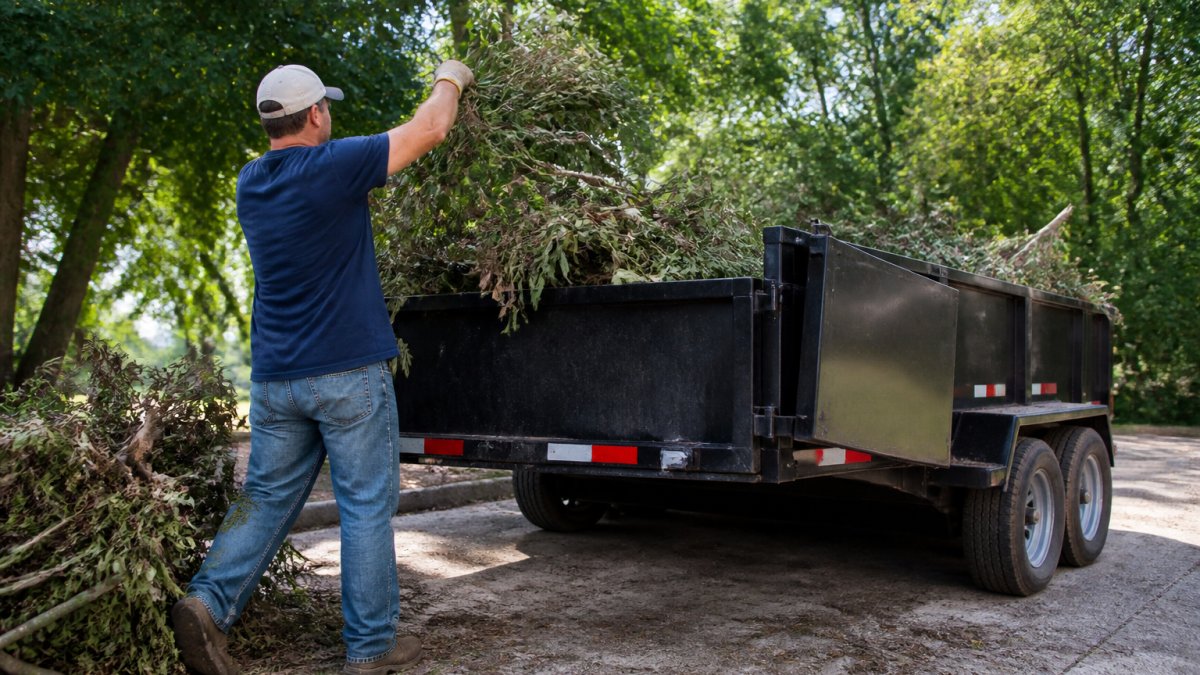
Spring and fall bring landscaping projects: branch removal, mulch cleanup, seasonal pruning. A dump trailer handles yard waste efficiently without the repeated trips required for smaller loads. Landscape contractors often appreciate the flexibility of loading debris over several days rather than rushing to meet a dumpster pickup window.
Safety, Towing, and Licensing Requirements
Operating a dump trailer involves legal and safety considerations that property managers must understand. Your towing vehicle, your driving credentials, and how you load the trailer all matter.
Towing Capacity and Vehicle Compatibility
Before renting a dump trailer, verify that your vehicle can tow it safely. A 12-yard dump trailer weighs 4,000 to 6,000 pounds empty and can weigh 12,000 pounds or more when loaded. Your vehicle's towing capacity must exceed the loaded weight by a safe margin, typically 20 percent.
Not all vehicles are suitable for dump trailer towing. Heavy-duty pickup trucks and larger SUVs are common choices. Smaller vehicles, sedans, and light trucks often lack the necessary capacity. Using an unsuitable vehicle creates safety hazards and liability exposure.
Proper Loading and Securing Procedures
Load the trailer evenly to maintain stability during transport. Distribute weight across the bed rather than concentrating it in one area. Secure loose items so they don't shift or fall during transit. Follow guidance on safe loading practices carefully.
Understand your state's requirements for trailer operation. Some states require a specific driver's license endorsement for towing trailers above a certain weight. Verify your licensing status before operating a dump trailer on public roads. Insurance requirements vary by state and by insurer, so confirm your coverage includes dump trailer operation.
Planning Your Dump Trailer Rental: A Property Manager Workflow
Successful dump trailer rentals start with planning. Here's how experienced property managers approach the process.
Estimating Debris Volume and Selecting Equipment
Before calling a rental company, estimate your debris volume. Walk the property and photograph areas that need clearing. Note the types of items: furniture, boxes, construction debris, yard waste. This assessment helps you choose the right trailer size and prepares you for a conversation with the rental provider.
Be realistic about volume. Property managers often underestimate how much debris a full cleanout generates. If you're uncertain, describe the project to the rental company and ask for a recommendation.
Scheduling Around Tenant and Contractor Needs
Coordinate rental timing with your team's availability. If contractors are working on-site, schedule the trailer delivery to align with their work. If you're managing a tenant move-out, arrange delivery for the day tenants vacate so you can load as you inspect the unit.
Build in buffer time. If your project might extend beyond the standard loading period, discuss extended rental options upfront. Knowing the cost of an extra day or two helps you decide whether to rush loading or pay for additional time.
Preparing Your Site for Delivery
Before the trailer arrives, clear the driveway of obstacles. Remove parked vehicles, garden equipment, and other items that might block access. Ensure the delivery location is level and accessible for the trailer truck.
| Step | Timing | Responsibility |
|---|---|---|
| Estimate debris volume | 1 week before | Property manager |
| Contact rental company | 5-7 days before | Property manager |
| Confirm delivery date and time | 3 days before | Rental company + manager |
| Clear driveway and prepare site | Day before delivery | Property manager |
| Coordinate team for loading | 2 days before | Property manager |
| Schedule pickup | After loading complete | Property manager |
Communicate clearly with the rental company about your property's access, driveway condition, and any obstacles. The more information you provide, the smoother the delivery and pickup process will be.
Property managers who adopt dump trailer rentals gain control over their waste management process. You choose when to load, how much to load, and when pickup happens.
Frequently Asked Questions
How long can you rent a dump trailer?
Most dump trailer rental periods are flexible, with standard options ranging from daily to weekly rentals. Many providers, including Fill and Dump Trailers, offer a three-day loading window, allowing you to load at your own pace without rushing. This works well for property managers coordinating multiple tasks across properties. Rental periods beyond the standard window may incur additional fees, contact your rental provider for specific terms and pricing.
What size dump trailer is best for an apartment cleanout?
A 12-yard dump trailer is ideal for most apartment cleanouts, including tenant move-outs and unit renovations. This capacity handles typical household items, old appliances, flooring, and construction debris without multiple trips. For larger complexes or multi-unit cleanouts, you may need multiple trailers or a larger capacity. Smaller 6-yard trailers work for light landscaping or garage cleanouts, while 16+ yard trailers suit major renovations or commercial demolition.
Is a dump trailer or a dumpster better for a property cleanout?
Dump trailers offer property managers more flexibility and control. You load on your schedule over several days, avoid monthly subscription fees, and can use the trailer for multiple projects. Dumpsters work better if you need continuous access for ongoing work or prefer the convenience of drop-off scheduling. Dump trailers fit driveway access better than stationary dumpsters, which require dedicated yard space.
What can property managers put in a dump trailer?
Most dump trailers accept household items, furniture, appliances, construction debris, yard waste, and renovation materials. However, some items are prohibited: hazardous materials (paint, chemicals, batteries), electronics (without proper recycling), tires, and certain appliances with refrigerants. Always confirm your rental provider's waste acceptance policy before loading. Fill and Dump Trailers includes disposal of the first ton in every rental, making it simple to clear out attics, basements, and garages without worrying about separate disposal costs.