 how-to
Eco-Friendly Ways to Recycle Old Kitchen Appliances
Last Updated: November 3, 2026
Quick Summary
To recycle old kitchen appliances, first sort each unit as working, repairable, or broken, then route it to donation, repair, or recycling accordingly. Small appliances go to e-waste drop-offs or scrap yards, while refrigerators require certified technicians to recover refrigerant before disposal.
- An estimated 11 to 13 million refrigerated household appliances reach end-of-life every year, per EPA data.
- Microwaves are banned from regular trash in some municipalities and should never go in a dumpster.
- Tape lithium battery terminals or use a battery recycler for cordless blenders and handheld mixers.
- EPA Section 608 rules require certified technicians to recover refrigerator refrigerant before disposal.
- A Chalmers University of Technology study found repair and refurbishment outperform simple recycling.
Table of Contents
- Start With a Condition Check Before You Recycle Old Kitchen Appliances
- How to Dispose of Small Kitchen Appliances Without the Landfill
- Where to Recycle Small Kitchen Appliances Near You
- How to Dispose of a Refrigerator Safely and Legally
- Repair or Recycle Old Appliances: Weighing the Real Trade-Off
- Donation, Resale, and Take-Back Programs That Keep Appliances in Use
- Book a Dump Trailer for the Appliances Recycling Can't Take
- Frequently Asked Questions
Start With a Condition Check Before You Recycle Old Kitchen Appliances
Eco-friendly ways to recycle old kitchen appliances start with one question: does this unit still work? The answer decides everything that follows. According to EPA appliance disposal data, an estimated 11 to 13 million refrigerated household appliances reach end-of-life every year. Most of them still have life left in them. Many working appliances end up in the same pile as broken ones during garage and basement cleanouts, both headed for the same fate. That's a waste. Below, we'll show you exactly how to sort each appliance before you move it an inch.
Working, Repairable, or Broken: The Three Paths
Sort every appliance into one of three groups before anything else happens:
- Working - it runs, cools, heats, or spins without trouble. Donate, sell, or trade it in.
- Repairable - a fixable fault, like a worn seal or a bad heating element. Repair it or pass it to a refurbisher.
- Broken - dead motor, cracked drum, leaking coolant. Strip it for parts or recycle it.
For a deeper walkthrough of every disposal route, see our guide on how to dispose of old appliances.
How to Dispose of Small Kitchen Appliances Without the Landfill
Small kitchen appliances are the easiest to divert from the trash and the most commonly dumped. Toasters, blenders, coffee makers, microwaves, and air fryers contain steel, aluminum, copper, and plastic, all recoverable. Recycling centers can recover most appliance materials, according to Sammy's Appliances material recovery data. The trick is that each small appliance has a different best route, so sort by type before you load the car.
Which Route Accepts Which Small Appliance
Use this appliance-by-appliance guide rather than treating everything the same:
- Toasters and toaster ovens. Mostly steel and heating elements with no battery and no refrigerant. Curbside metal recycling, scrap yards, and municipal e-waste drop-offs accept them. Remove the crumb tray and shake out food first.
- Microwaves. The magnetron and capacitor make curbside pickup risky in many areas, and some municipalities ban microwaves from regular trash. Best routes are municipal e-waste drop-offs, retailer take-back counters, and certified electronics recyclers. Never put a microwave in a dumpster.
- Blenders. Glass carafes and metal blades separate into different streams; the base is mostly plastic and metal. Corded blenders go to e-waste drop-offs; cordless models with lithium batteries need battery handling (see below).
- Coffee makers. Plastic-heavy with a small heating element. Many municipal e-waste sites and retailer take-back programs accept them; some charity shops take working units. Empty and dry the water reservoir first.
- Air fryers. These are essentially small ovens with a fan and heating element. Most municipal e-waste drop-offs and certified recyclers accept them; remove the basket and wash off grease so the unit is not rejected.
- Stand mixers and food processors. Metal-heavy and often repairable. Try a refurbisher or resale first; if broken, scrap yards pay by weight for the metal content.
Preparation Checklist Before Handoff
A few minutes of prep prevents rejection at the counter or drop-off:
- Check the cord. A frayed cord makes the unit unsafe to donate and can disqualify it at some drop-offs.
- Clean it. Food residue gets items rejected at donation centers and attracts pests at recycling sites.
- Remove removable parts. Glass carafes, blades, and baskets go in separate recycling streams.
- Secure loose cords. Wrap and tape the cord so it does not tangle or get damaged in transit.
- Never dump them curbside. Many areas ban appliances from regular trash pickup.
Watch out: small appliances with lithium batteries, like some cordless blenders and handheld mixers, can spark in a garbage truck. Tape the terminals or drop them at a battery recycler rather than a general e-waste site.
Before you load anything into a dumpster, check what items are prohibited in dumpsters. Appliances and their parts top that list in many areas.
Where to Recycle Small Kitchen Appliances Near You
Finding a drop-off location takes about five minutes if you know where to look. Start with these sources:
- Your city's waste department website - most list curbside pickup days and drop-off sites.
- Retailer take-back programs - some stores accept small appliances at the counter.
- Certified recyclers - look for e-Stewards or R2 certification before you hand anything over.
- Scrap yards - they pay by weight for metal-heavy items.
Call ahead and ask two questions: do you accept this appliance type, and is there a fee? Fees vary widely by location and material.
How to Dispose of a Refrigerator Safely and Legally
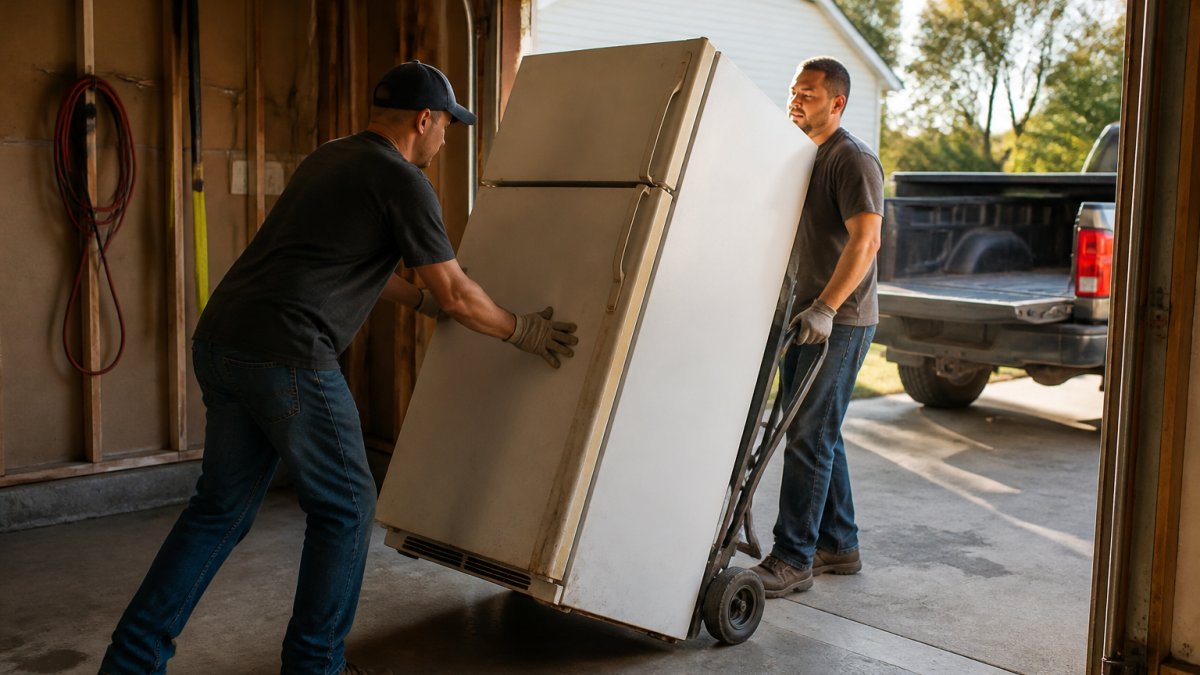
A refrigerator is the one appliance you cannot handle casually. It contains refrigerant, a greenhouse gas, and the EPA Section 608 rules require certified technicians to recover it before disposal. Never cut the lines yourself. Here is how to dispose of a refrigerator step by step:
- Empty and defrost it. Remove all food and let ice melt completely.
- Secure the doors. Remove or strap them shut so children can't get trapped inside.
- Book a certified pickup or drop-off. Ask the recycler how they handle refrigerant recovery.
- Get a receipt. Some utilities require proof of proper disposal for rebate programs.
How to Verify a Refrigerator Recycler
Not every site that accepts a fridge is equipped to handle it responsibly. Before you hand over the unit, confirm these points:
- Certification. Look for e-Stewards or R2 certification, which require audited downstream handling. A municipal drop-off may not carry either, so ask where the unit goes next.
- Refrigerant recovery. Ask directly whether a certified technician recovers the refrigerant on site or whether the unit is transported sealed to a processing facility. Either is acceptable; a shrug is not.
- Accepted items and fees. Confirm the site takes refrigerators specifically and whether there is a fee. Fees vary widely by location and appliance, and some utilities offset them through rebate programs.
- Downstream processing. Ask what happens after drop-off: refrigerant recovery, oil draining, and shredding for steel, copper, and plastic recovery. A recycler who can describe this process is more likely to be handling it correctly.
Check Local Rules Before You Book
Refrigerant handling and accepted materials can differ by jurisdiction, so confirm the local requirements before scheduling pickup:
- Your city or county waste department website usually lists curbside pickup days, drop-off sites, and any ban on refrigerators in regular trash.
- Your state environmental agency publishes rules on refrigerant recovery and appliance disposal that may be stricter than the federal minimum.
- Your utility may run a rebate program that requires proof of proper disposal, which is why the receipt matters.
Replacing that old fridge with an Energy Star unit can save about $50 per year and 400 kilowatt-hours, according to United Electronic Recycling efficiency data. That softens the cost of doing it right.
Repair or Recycle Old Appliances: Weighing the Real Trade-Off
Repair usually beats recycling, and the research backs it. A Chalmers University of Technology study found that replacing appliances too often wastes raw materials and energy, so repair and refurbishment outperform simple recycling. The catch is cost. A $180 repair on a ten-year-old dishwasher rarely makes sense. A $60 heating element on a three-year-old dryer almost always does.
Use this rule of thumb:
| Situation | Best Move | Why |
|---|---|---|
| Under 5 years old, minor fault | Repair | Cheapest, lowest impact |
| Over 10 years old, major fault | Recycle | Repair cost nears replacement |
| Working but unwanted | Donate or resell | Keeps materials in use |
| Broken, no parts available | Recycle | Recovers steel and metal |
The same logic applies to large units. Repair or recycle old appliances based on age and repair cost, not sentiment.
Donation, Resale, and Take-Back Programs That Keep Appliances in Use
Working appliances should never see a recycling center. Donation and resale keep them in service and cut landfill waste. Charities like Habitat for Humanity ReStores accept working appliances, and many offer free pickup. Retailer take-back programs handle the unit when you buy a replacement, which solves the hauling problem in one step. Resale platforms move small appliances fast if they're clean and photographed well.
A few prep steps make handoff smooth:
- Clean the unit inside and out
- Include manuals and accessories
- Wipe down cords and check for damage
- Photograph any flaws honestly
Municipal recycling programs often publish pickup schedules online. Check yours before you book anything else.
Book a Dump Trailer for the Appliances Recycling Can't Take
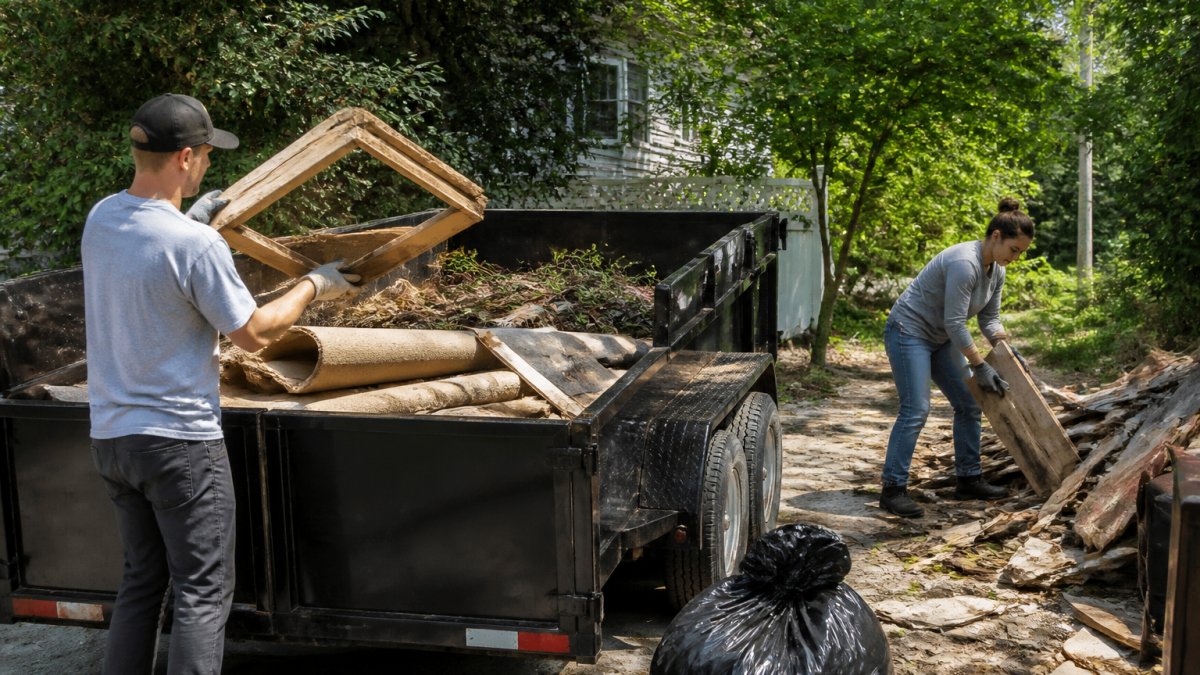
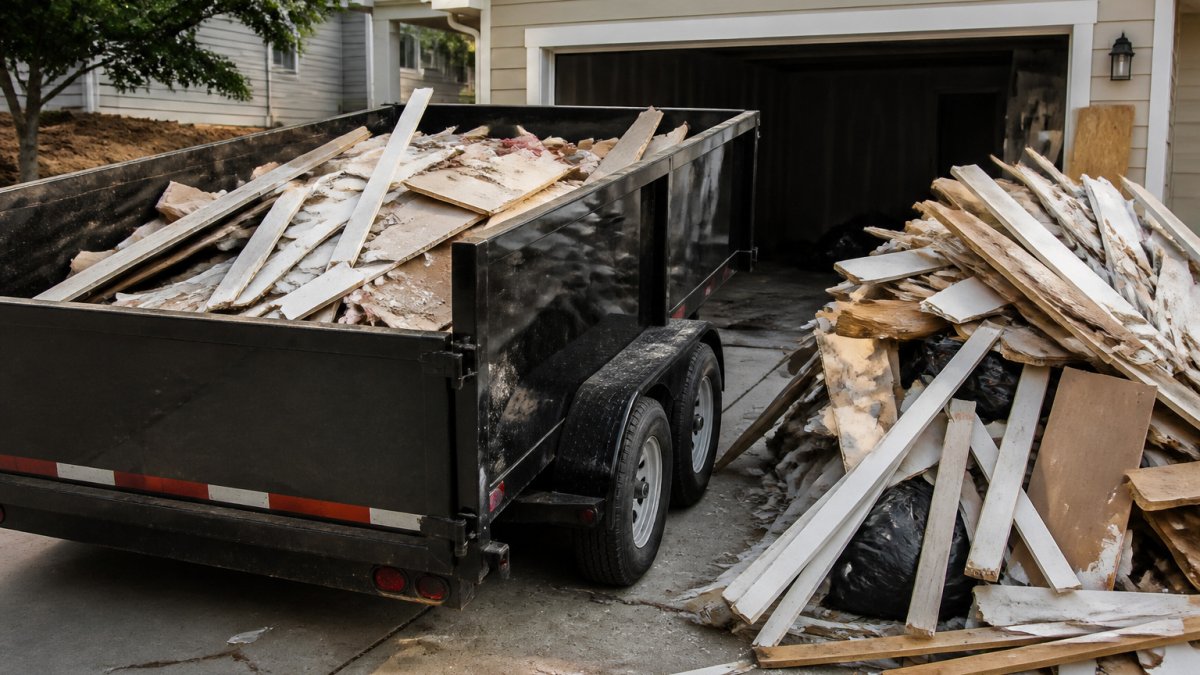
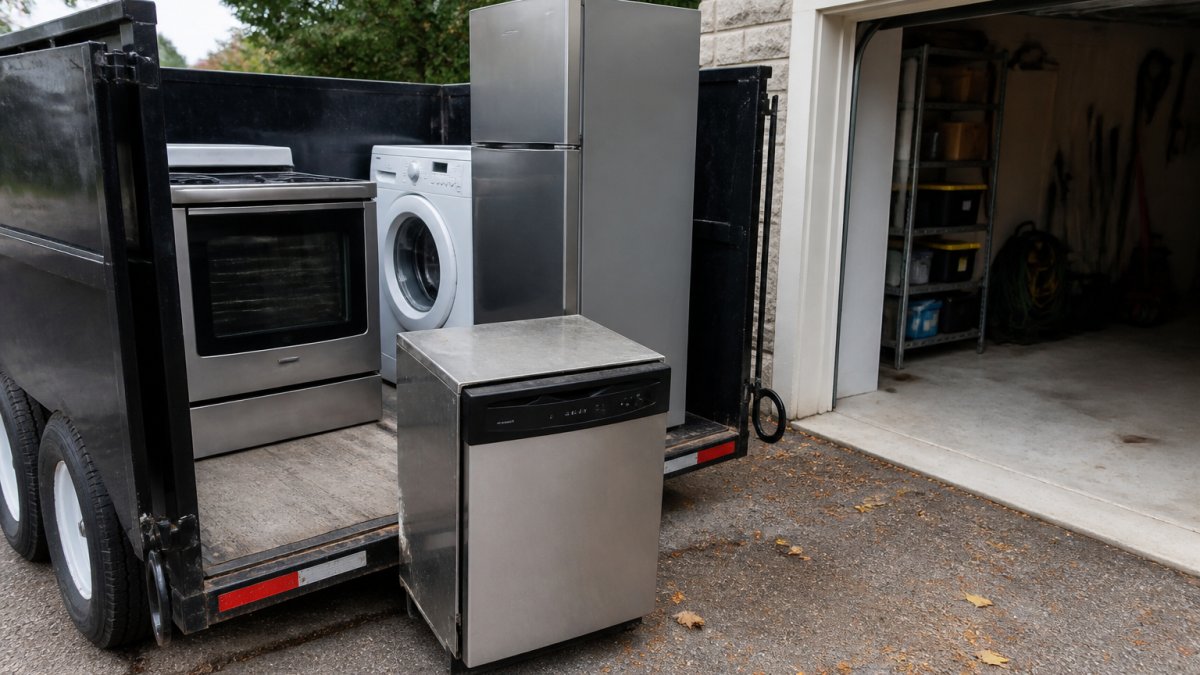
Some cleanouts produce more than recyclers will accept: broken units, mixed debris, and the junk that piles up around them. That's where we come in. Fill and Dump Trailers rents driveway-safe 12-yard dump trailers with a three-day loading period, and the first ton of waste disposal is included. For current pricing and availability, request a quote from our website.
Not sure whether a trailer or a haul-away service fits better? Read our comparison of dump trailer rental vs junk removal before you decide. And if you want to know exactly what comes with the trailer, see what's included in dump trailer rental.
Frequently Asked Questions
What can I do with old kitchen appliances that still work?
Working appliances have more value than scrap. Donate them to a charity, shelter, or Habitat for Humanity ReStore, sell them locally, or use a retailer trade-in credit when buying a replacement. Keeping a functional unit in service longer is one of the most effective environmental steps. Test it first, clean it, and photograph any scratches so buyers know what to expect.
How do I recycle old kitchen appliances if they are broken?
Broken units still contain steel, copper, plastic, and glass. Recycling centers can recover most appliance materials. Call your municipal recycling office or search a certified recycler directory, confirm whether they accept the item and whether a fee applies, then arrange drop-off or curbside pickup. Remove loose parts and food residue before handoff, and keep the cord attached for scrap identification.
Can I put a refrigerator or freezer on the curb for regular trash pickup?
Rarely. Refrigerators and freezers contain refrigerant and oil that must be recovered before the unit is shredded, and many states and municipalities ban curbside disposal of them outright. Schedule a dedicated pickup, use a retailer haul-away service, or take the unit to a certified recycler. Never cut refrigerant lines yourself, and remove the doors before storage or transport as a safety measure for children and pets.
What do appliance recyclers actually do with old appliances?
Certified recyclers drain and capture refrigerant, remove compressors and motors, and separate ferrous and non-ferrous metals, plastics, and glass for resale. The recovered steel, copper, and aluminum re-enter manufacturing, which makes material recovery a practical outcome of proper recycling. Ask any recycler you use how they handle refrigerant and where the recovered materials go. If they cannot answer, find a different one.
Sorting appliances by condition is the hardest part of any cleanout. The hauling shouldn't be. Fill and Dump Trailers gives you a driveway-safe 12-yard trailer, a full three-day loading window, and the first ton of disposal included, so you can clear the garage, basement, or rental unit without rushing. Get started with Fill and Dump Trailers and book a trailer that fits your project.